What Does an HVAC Tune-Up Include? The Full Checklist
A tune-up is a yearly check-up for your heating and cooling system. Here’s what a technician should do on the visit, when to book one in the Sacramento area, and how to tell whether it’s worth the money.
JM Comfort can help: HVAC tune-ups for homes in Sacramento and nearby. Licensed C-20 HVAC contractor, CSLB #1016274.
An HVAC tune-up is the yearly check-up your heating and cooling system needs to run efficiently and safely. Done right, it’s more than a quick look: a technician cleans, measures, tightens and tests the parts you can’t safely reach yourself. This guide lays out what should happen on the visit, when to book one in the Sacramento area, what it costs nationally, and what to expect when you schedule an HVAC tune-up.
What is an HVAC tune-up?
An HVAC tune-up is a pre-season maintenance visit in which a technician inspects, cleans and adjusts your air conditioner, furnace or heat pump so it’s ready for the months ahead. ENERGY STAR compares it to a car tune-up and says a yearly tune-up of your heating and cooling system can improve efficiency and comfort.
It isn’t a repair visit. The goal is to catch small problems, like a loose connection, a dirty coil or a clogged drain, before they turn into a breakdown on the hottest or coldest day of the year. If the technician finds something that needs fixing, you should get a plain explanation and a price before any repair work starts.
The stakes are bigger than comfort. ENERGY STAR says nearly half of the energy used in your home goes to heating and cooling, so a system that runs poorly costs you on every bill.
What does an HVAC tune-up include?
A complete tune-up covers the electrical system, the moving parts, airflow, the refrigerant circuit on cooling equipment, and the burners and heat exchanger on gas heat. The table combines ENERGY STAR’s maintenance checklist with the task list one major manufacturer publishes for its tune-ups.
| Tune-up task | Why it matters | Applies to |
|---|---|---|
| Check thermostat settings and calibration | Keeps you comfortable at home and saves energy when you’re away | All systems |
| Tighten electrical connections; measure motor voltage and current | Loose connections are unsafe and shorten the life of major parts | All systems |
| Lubricate moving parts | Friction makes motors work harder and use more electricity | All systems |
| Inspect and clean the condensate drain | A clogged drain can cause water damage and affect indoor humidity | AC, heat pump, furnace |
| Test the controls and the start-up, run and shutdown cycle | Confirms the system starts, runs and shuts off the way it should | All systems |
| Clean and adjust blower components; check airflow | ENERGY STAR says airflow problems can cut efficiency by up to 15% | All systems |
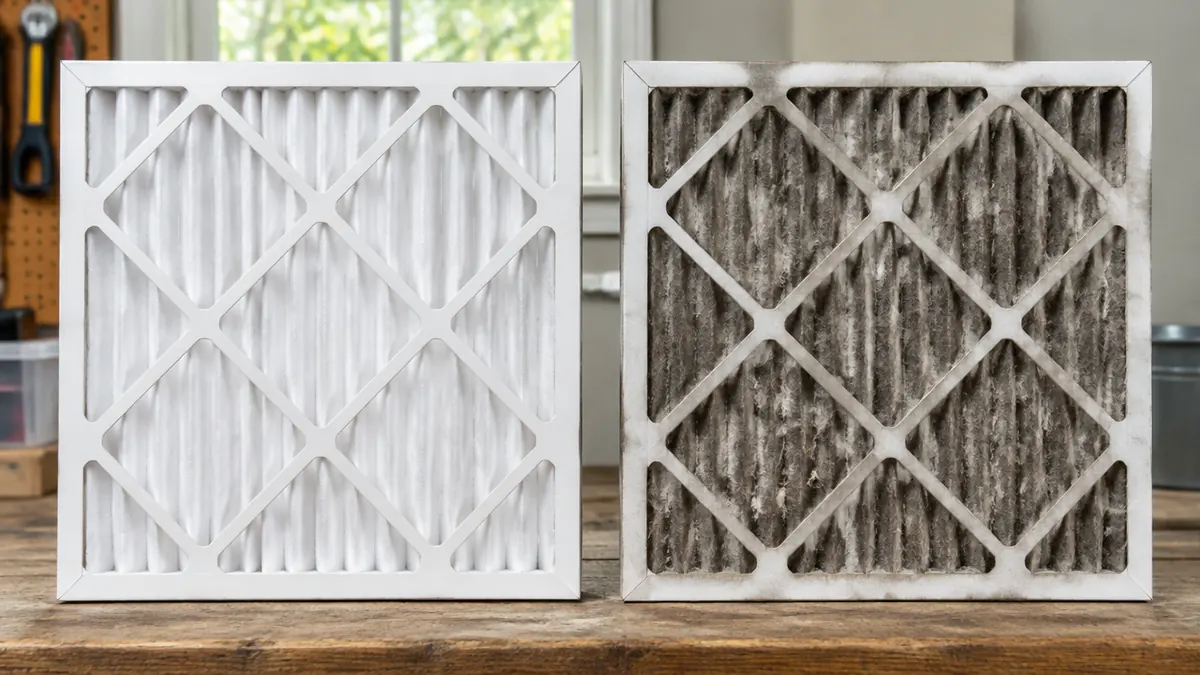
| Check the air filter and replace it if needed | A dirty filter raises energy costs and can lead to early equipment failure | All systems |
| Clean the evaporator and condenser coils | Dirty coils reduce cooling and make the system run longer | AC, heat pump |
| Check refrigerant level and adjust if needed | Too much or too little refrigerant lowers efficiency and equipment life | AC, heat pump |
| Check the run capacitor and test electrical components | Finds worn electrical parts before they leave you without cooling | AC, heat pump |
| Check ductwork for leaks or blockages | Leaky ducts waste air you paid to heat or cool | Ducted systems |
| Check gas or oil connections, gas pressure, burner combustion and the heat exchanger | Leaks are a fire and health hazard; a dirty burner or cracked heat exchanger hurts safety and efficiency | Gas or oil furnace |
A heat pump uses its coils and refrigerant to both heat and cool, so the cooling items matter on a heat pump in every season. If you’re not sure what you have, see how to tell a heat pump from an AC.
Ask for the checklist before the visit. A “tune-up” that skips the coils, the refrigerant check or the electrical tests isn’t the same service, even when it carries the same name.
Is an HVAC tune-up necessary?
An HVAC tune-up isn’t required by law, but it’s strongly recommended: ENERGY STAR advises a pre-season check-up every year, and the CDC says to have your heating system serviced annually.
Efficiency and comfort
ENERGY STAR notes that dirty coils reduce a system’s ability to cool and make it run longer, and that the wrong refrigerant level lowers both efficiency and equipment life. Those losses show up as longer run times, uneven rooms and higher bills long before anything actually breaks.
Safety on gas heat
The CDC says to have your heating system, water heater and any other gas, oil or coal burning appliances serviced by a qualified technician every year. Carbon monoxide is the reason: the CDC describes it as an odorless, colorless gas that kills without warning, and lists gas- and oil-burning furnaces among the household items that can produce it.
California adds a rule of its own. The California Air Resources Board says state law requires carbon monoxide detectors or alarms in every dwelling with a fuel-burning appliance or an attached garage, and the detectors must be approved by the State Fire Marshal. If you heat with gas, detectors are required, and a fall tune-up is a good reminder to test them.
Safety first: If you smell gas, get everyone out of the house now. Once you’re outside and away from the house, call 911, then PG&E (see PG&E’s Report an Emergency page). Don’t flip light switches or start a car near the house on your way out. If a carbon monoxide alarm sounds or anyone feels sick, get outside to fresh air immediately, then call 911. See carbon monoxide safety for symptoms and alarm placement.
Warranty coverage
Many manufacturers expect regular professional maintenance. One major manufacturer says that failing to have a licensed HVAC professional install and maintain your system can void its warranty. Keep every tune-up invoice in a folder with your warranty paperwork. The guide to whether HVAC maintenance plans are worth it covers warranty rules in more detail.
Fewer breakdowns
One major manufacturer says skipping tune-ups often leads to higher energy bills, reduced cooling power and frequent breakdowns. A tune-up won’t make an old system new, but it’s the cheapest way to find out what shape it’s in. If yours is getting up in years, see how long HVAC systems last.
How often should you get HVAC service?
Get each system serviced once a year before its busy season: ENERGY STAR recommends checking the cooling system in the spring and the heating system in the fall.
With a central AC and a gas furnace, that means a spring visit for the AC and a fall visit for the furnace. ENERGY STAR points out that contractors get busy once summer and winter come, and suggests planning your check-ups around the spring and fall clock changes so you remember.
When should you book an AC tune-up in Sacramento?
Book the cooling check in early spring, before the heat sets in. NOAA’s 1991–2020 climate normals for Sacramento Executive Airport count about 76 days a year at 90°F or hotter and about 14 at 100°F or hotter, most of them in June, July and August. A dirty coil or a worn part that gets by in April has no margin left on a 100-degree afternoon, when contractors are already busy.
When should you book a heating tune-up in the fall?
Book the heating check in early fall, before the foggy, frosty months. Sacramento winters are mild, but the same NOAA normals count about 15 nights a year at 32°F or below, nearly all of them between December and February. A furnace that has sat idle since spring should get its burners, venting and heat exchanger checked before the first of those cold nights, not during it.
How often should you service a heat pump?
A heat pump heats and cools, so it works through both seasons: Fixr’s 2026 cost guide says heat pump maintenance is recommended twice a year. In the Sacramento area, a spring visit before cooling season and a fall visit before the frosty mornings cover both jobs. If you’re thinking about switching from gas, see whether heat pumps work in Sacramento.
How long does an HVAC tune-up take?
An AC tune-up typically takes 1 to 2 hours, according to one major manufacturer, depending on the system’s condition and how thorough the inspection is.
Each system is its own job, so an AC and a furnace means two sets of checks. A repair can add time, or a return trip if a part has to be ordered. A visit that’s over in a few minutes can’t cover the checklist above.
To get ready, clear a path to the indoor and outdoor units, and jot down anything you’ve noticed, such as new noises, odd smells, rooms that never feel right, or a bill that jumped.
How much does an HVAC tune-up cost?
National guides put a tune-up in the low hundreds of dollars, depending on the system and what’s included.
- AC tune-up: one major manufacturer’s 2026 guide says an air conditioner tune-up costs between $75 and $200 on average.
- HVAC maintenance visit: Fixr’s 2026 cost guide puts the national average at about $275, with most homeowners paying between $150 and $350.
These are national figures; local quotes vary. The price depends on how many systems you have, whether it’s a gas furnace, heat pump or AC, how long it’s been since the last service, and what’s on the checklist. Compare what’s included, not just the price: a cheap visit that skips coil cleaning or the refrigerant check isn’t a bargain.
If the tune-up turns up a needed repair, the AC repair cost guide explains what drives the price.
What can you do yourself between tune-ups?
You can handle the simple, safe jobs: check the filter, keep the outdoor unit clear, look after the thermostat, and keep an eye on the condensate drain.
- Filter: ENERGY STAR recommends inspecting it every month and changing it at least every 3 months. A dirty filter raises energy costs and can lead to early equipment failure.
- Wildfire smoke: when smoke is in the air, the EPA suggests a high-efficiency filter, such as MERV 13, if your system can take it, and says to plan on replacing it more often than the manufacturer recommends. See wildfire smoke and your HVAC.
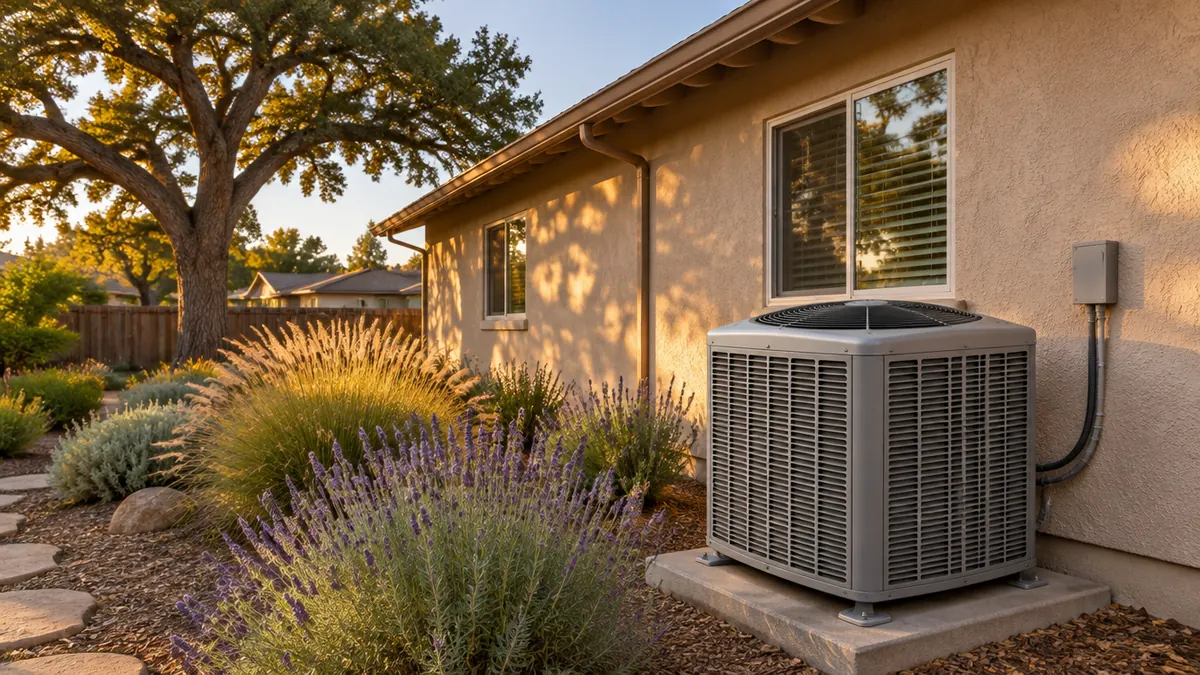
- Outdoor unit: keep leaves, grass clippings and overgrown shrubs away from it so it can move air freely.
- Thermostat: replace the batteries if the screen fades, and check your settings each season. See the best thermostat settings.
- Condensate drain: look at the drain pan under the indoor unit. If it’s full of water, call for service, and don’t disable or override the float switch that shuts the system off.
- CO detectors: the CDC recommends battery-operated or battery back-up carbon monoxide detectors near every sleeping area, with the batteries checked each spring and fall when you change your clocks.
For the full spring and fall list, see the DIY HVAC maintenance checklist. Refrigerant, electrical connections, gas burners and the heat exchanger stay on the technician’s side of the line.
When should you call a pro instead of waiting for a tune-up?
Call now, not at the next scheduled visit, when the system shows signs of a real problem.
- A breaker trips a second time after you’ve reset it once.
- Ice on the refrigerant lines comes back after the system thaws. See why an AC freezes up.
- The AC runs but blows warm air. Start with why your AC is blowing warm air.
- Water collects in the drain pan or around the indoor unit.
- You notice a burning smell, or grinding, banging or squealing noises. See what HVAC noises mean.
For a system that’s already acting up, book AC repair or heating repair rather than a tune-up, so the visit starts with a diagnosis.
What should you look for in an HVAC company?
Look for a licensed company that tells you what the tune-up covers, explains what it finds in plain language, and gives you a price before any repair.
For questions to ask and red flags, see how to choose an HVAC company.
Why do Sacramento-area homeowners call JM Comfort for tune-ups?
Sacramento-area homeowners call JM Comfort because it’s a locally owned heating and air conditioning contractor based in North Highlands: a licensed C-20 HVAC contractor (CSLB #1016274) since 2016, bonded, with workers’ comp insurance on file. JM Comfort does tune-ups and maintenance on air conditioners, furnaces and heat pumps for homes in North Highlands, Sacramento and nearby communities. If a tune-up turns up something bigger, JM Comfort also handles AC and heating repair, new installations, ductwork and indoor air quality.
Call (916) 247-6358 or book an HVAC tune-up online. Learn more about tune-ups and maintenance.
Frequently asked questions
Does an HVAC tune-up include changing the filter?
Often, yes. One major manufacturer lists replacing the air filter as a standard tune-up task. A once-a-year visit can’t keep up with a filter that needs a look every month, though: ENERGY STAR recommends inspecting it monthly and changing it at least every 3 months. See how often to change your air filter.
Does a tune-up include duct cleaning?
No. A thorough tune-up checks the ductwork for leaks or blockages, but cleaning the inside of the ducts is a separate service with its own pros and cons. Read whether air duct cleaning is worth it before you pay for it.
Does a new HVAC system need a tune-up?
Yes. New equipment still needs yearly maintenance, and warranty terms can depend on it. One major manufacturer says that failing to have a licensed HVAC professional install and maintain your system can void its warranty. Keep every service invoice with your warranty paperwork.
Can I do my own HVAC tune-up?
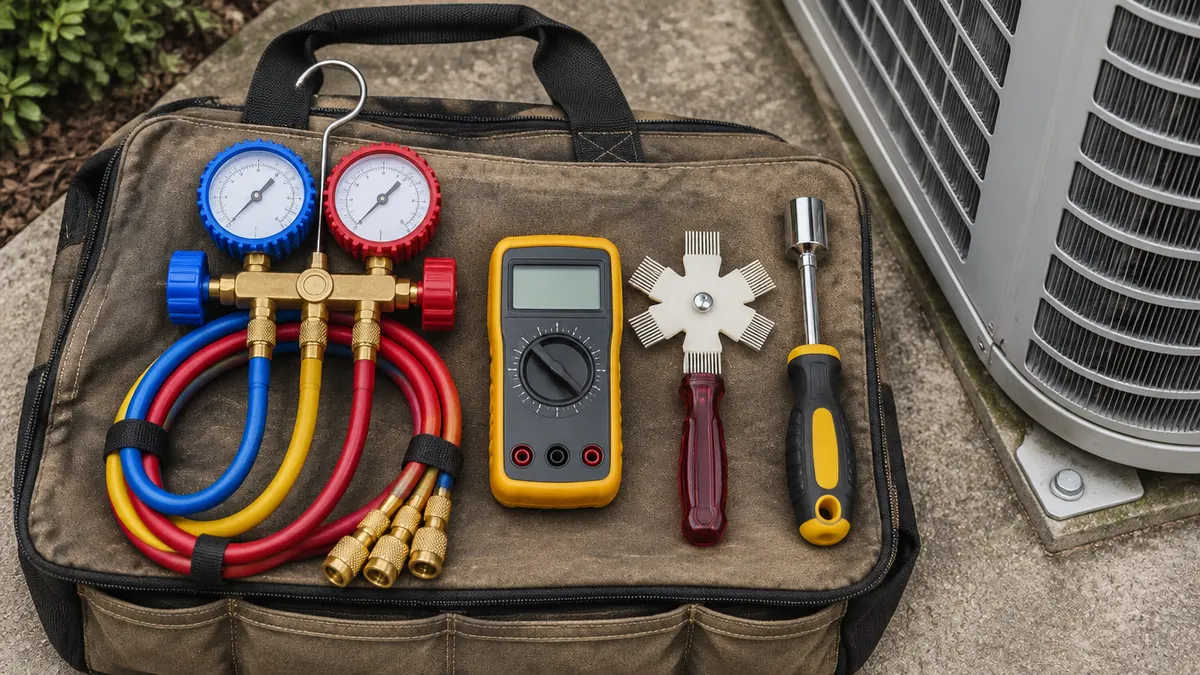
Only part of it. Changing the filter, clearing the outdoor unit and checking the thermostat are homeowner jobs. Refrigerant checks, electrical measurements, gas burners and the heat exchanger need a trained technician with the right tools. The DIY HVAC maintenance checklist lists the safe tasks.
Do California homes need carbon monoxide detectors?
Yes, if the home has a fuel-burning appliance, such as a gas furnace, or an attached garage. The California Air Resources Board says state law requires CO detectors or alarms in those dwellings, and they must be approved by the State Fire Marshal. If one sounds, get outside now, then call 911. See carbon monoxide safety.
Does JM Comfort tune up both heating and cooling systems?
Yes. JM Comfort does tune-ups and maintenance on air conditioners, furnaces and heat pumps for homes in North Highlands, Sacramento and nearby communities. Call (916) 247-6358 or book online.
Sources
- Maintenance Checklist (ENERGY STAR)
- Heat & Cool Efficiently (ENERGY STAR)
- AC Tune-Up Service: Costs, Checklist & Benefits (Carrier)
- How Much Does HVAC Maintenance Cost in 2026? (Fixr)
- Trane Warranties: Types and Coverage Explained (Trane)
- Carbon Monoxide (CO) Poisoning Basics (CDC)
- Combustion Pollutants & Indoor Air Quality (California Air Resources Board)
- 1991-2020 Annual/Seasonal Climate Normals: Sacramento Executive Airport, CA (USW00023232) (NOAA National Centers for Environmental Information)
- Wildfires and Indoor Air Quality (IAQ) (US EPA)
- Report an Emergency (PG&E)
Find this helpful? Add JM Comfort as a preferred source on Google.