
Heating and cooling answers for Sacramento-area homes.
Straight answers to the questions people ask us most, with what you can safely check yourself, what things cost, and when it’s time to call a pro. Every guide lists its sources.
Start here
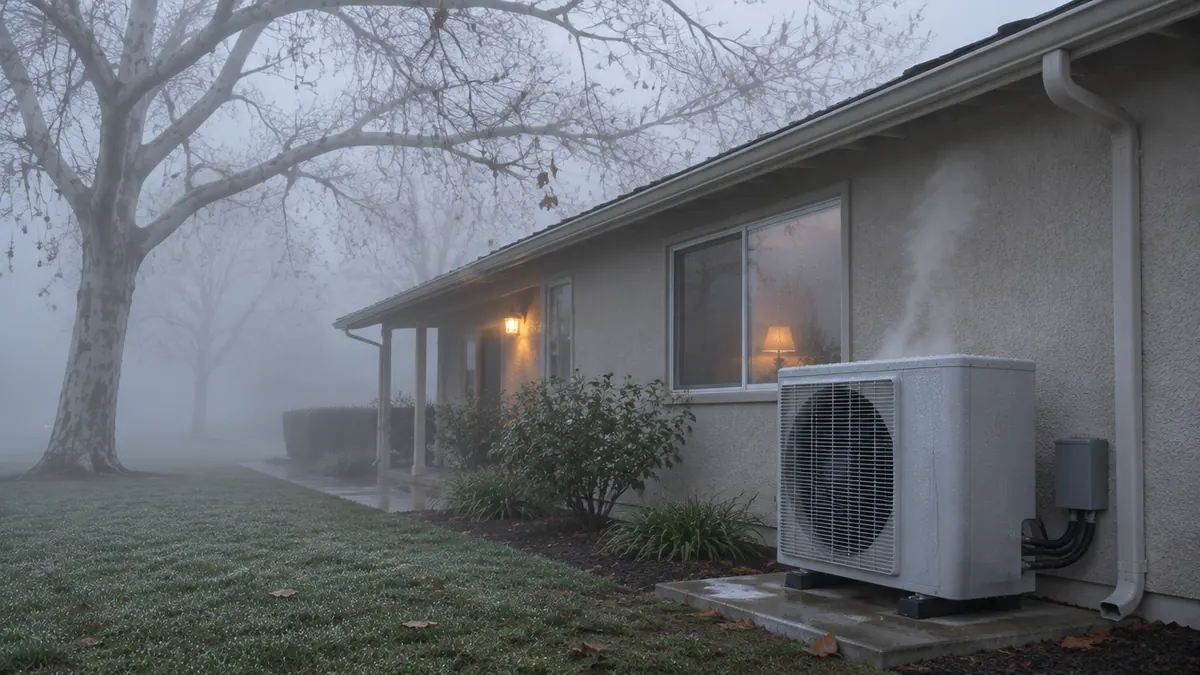
Do Heat Pumps Work in Sacramento? Climate, Costs, Noise and Rebates
Do heat pumps work in Sacramento? Yes. See NOAA climate numbers, how they cool in summer, noise, running costs vs gas and SMUD rebates as of November 2026.
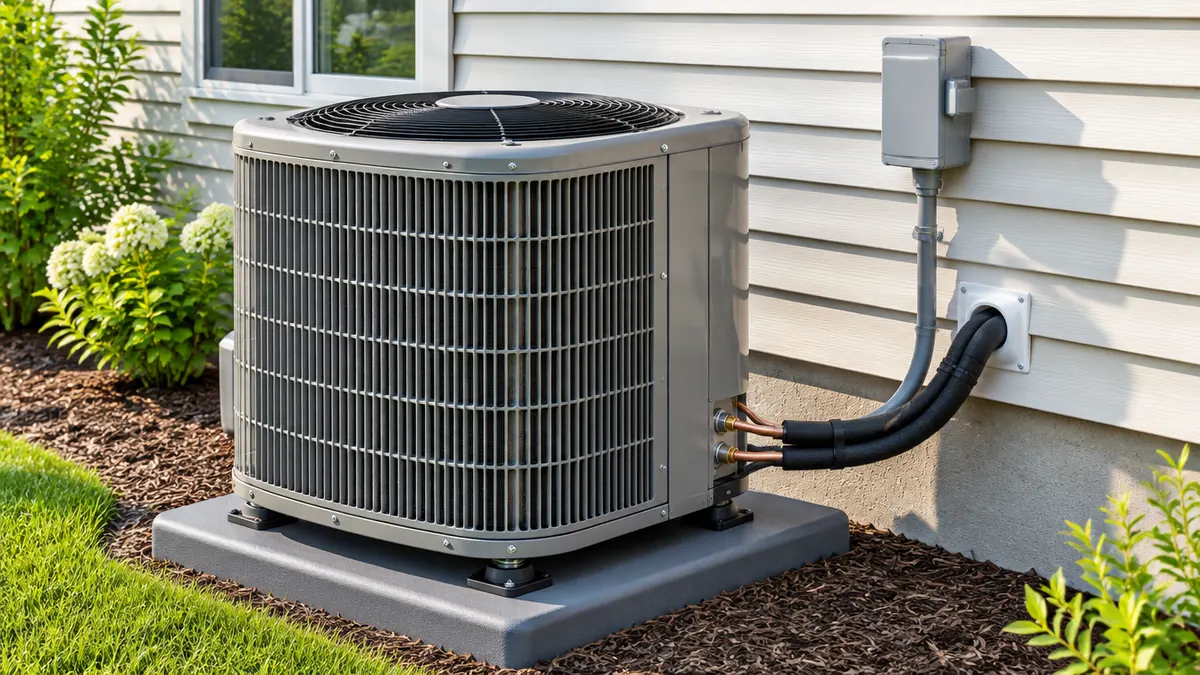
Do You Need a Permit for HVAC Replacement? Title 24 in Sacramento
Replacing an AC, furnace or heat pump in Sacramento needs a permit and Title 24 testing. See what gets tested, what permits cost and what to ask for.
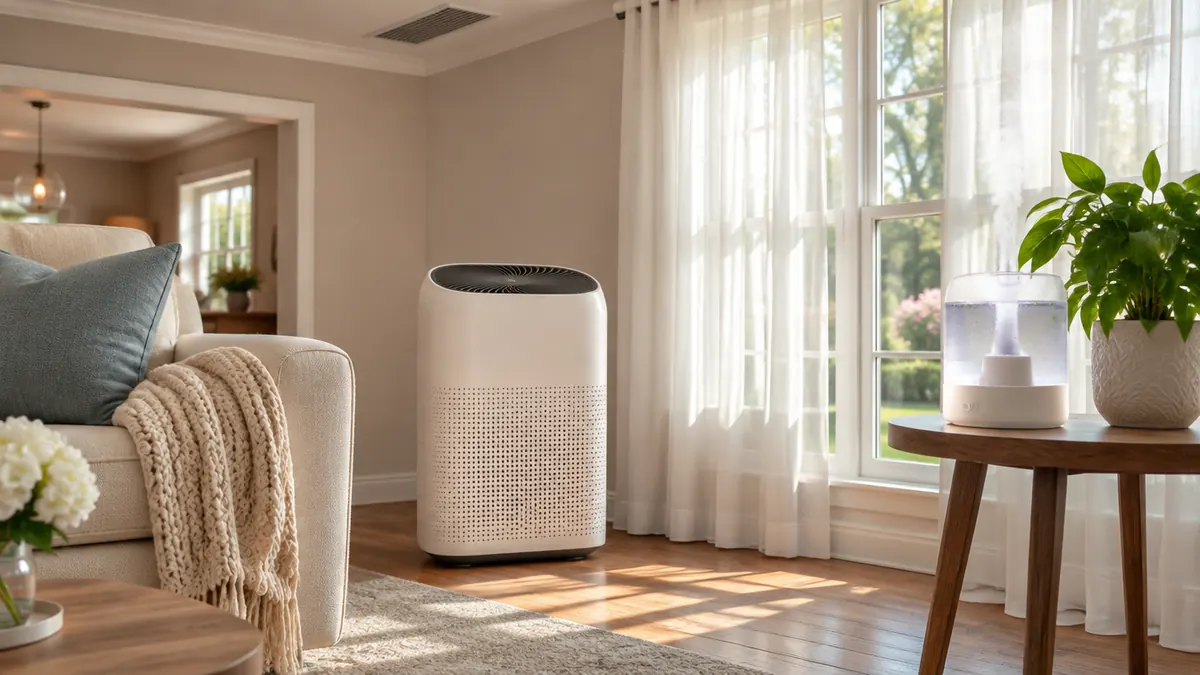
Does Air Conditioning Help With Wildfire Smoke? Filters, Settings and Clean Rooms
Central AC doesn’t clean smoke by itself; the filter does. EPA and CARB tips on MERV 13 filters, fan and recirculate settings, air purifiers and clean rooms.
Heat Pump vs. Gas Furnace: Which Is Better for a Sacramento Home?
Heat pump vs gas furnace for Sacramento homes: comfort, SMUD and PG&E running costs, dual fuel, SMUD rebates as of Nov 2026, and how to compare both options.
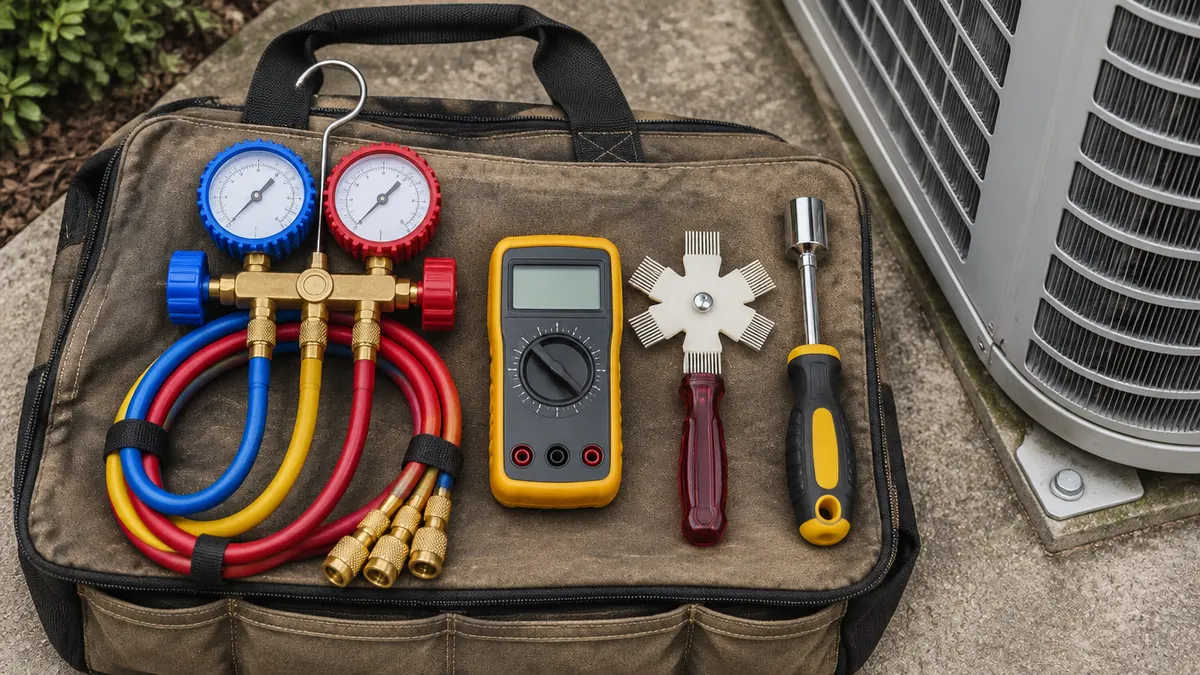
How Much Does AC Repair Cost? 2026 National Prices and What Drives Them
Most AC repairs cost $150 to $700 in 2026 national cost guides. See repair prices, service call fees, recharge costs and the California rules that apply.
How to Choose an HVAC Company: License Checks, Questions and Red Flags
How to choose an HVAC company in California: check a C-20 license on cslb.ca.gov, know your contract and down payment rights, and spot the red flags.
Quick answers
The short answer from every guide. Tap a question for the full story.
AC Compressor Not Working? Causes, Repair and Cost
An AC compressor usually stops because something keeps it from starting or shuts it down: a thermostat problem, a tripped breaker, a failed capacitor or contactor, overheating, or low refrigerant from a leak. Those are often repairable. A compressor that fails internally must be replaced, which on an older system can make a new AC the better buy.
AC Out in a Heat Wave? How to Stay Safe Until It’s Fixed
If your AC goes out in a heat wave, protect people first. Watch for heat exhaustion and heat stroke, and call 911 for confusion, fainting or a body temperature above 103°F. Spend the hottest hours somewhere air-conditioned, drink water, take cool showers and check on neighbors. Then run a few safe AC checks and call for repair.
AC Short Cycling: Why Your AC Keeps Turning On and Off
AC short cycling means your system turns on and off every few minutes without finishing a full cooling cycle. Common causes are a clogged filter, a badly placed thermostat, low refrigerant, a failing electrical part and an oversized unit. It’s bad for your AC: frequent starts strain the compressor, waste energy and leave rooms that never quite settle.
Are HVAC Maintenance Plans Worth It? An Honest Answer
HVAC maintenance is worth it, but a maintenance plan is only worth it if it costs less than the tune-ups you would book anyway, or includes perks you’ll actually use. Fixr’s 2026 guide puts service contracts at $150 to $500 a year. Many homeowners do just as well booking spring and fall tune-ups themselves.
Best Thermostat Settings for Summer and Winter: What Temperature to Set
A good starting point is 78°F or warmer when you’re home in summer and 70°F or cooler when you’re home in winter, with bigger setbacks while you sleep or are away, as ENERGY STAR suggests. Set the fan to Auto. With a heat pump, keep settings steady and skip setbacks that bring on backup heat.
Carbon Monoxide Safety: Symptoms, Sources and Where to Put Alarms
Carbon monoxide (CO) is a colorless, odorless, poisonous gas made when fuel burns incompletely. At home it can come from a furnace, water heater, gas stove, fireplace, generator or car. Early symptoms feel like the flu: headache, dizziness, weakness and nausea. If you suspect CO, get everyone outside to fresh air, then call 911.
Central Air vs. Mini-Split: Which Is Better for Your Home?
A mini-split is a ductless system: an outdoor unit piped to one or more indoor units on the wall, each with its own temperature control. Central air cools the whole house from one system through ducts. Mini-splits suit rooms without ducts, additions and garages; central air suits homes with good existing ductwork.
Cracked Heat Exchanger: Signs, Real Risks and What to Do
A cracked heat exchanger is dangerous because the crack can let carbon monoxide from the burners escape into the air your furnace blows through the house. A crack can’t be safely patched, so the fix is a new heat exchanger or a new furnace. Before paying for either, ask to see the evidence and get a second opinion.
DIY HVAC Maintenance Checklist: Safe Spring and Fall Tasks
DIY HVAC maintenance is a short list of safe homeowner tasks: check the air filter monthly, keep the outdoor unit clear and gently rinse its coil with the power off, watch the condensate drain, replace thermostat batteries and test carbon monoxide detectors. Do the bigger checks each spring and fall, and leave refrigerant, electrical and gas work to a technician.
Do HVAC UV Lights Work? And What About Air Purifiers?
Air purifiers that filter particles do work: EPA’s review found portable units sized for the room typically cut indoor particle levels by about half, though health gains were modest. HVAC UV lights do less. Typical home units have limited effect on airborne germs and mold, but can help keep the cooling coil clean. Avoid any device that makes ozone.
Do Heat Pumps Work in Cold Weather? What Happens as It Gets Colder
Yes. Modern air-source heat pumps keep heating well below freezing; they lose some capacity as it gets colder, and backup heat covers the coldest hours. Cold climate models are tested down to 5°F. In Sacramento, NOAA normals show about 15 nights a year at or below 32°F, so a properly sized heat pump rarely needs help.
Do Heat Pumps Work in Sacramento? Climate, Costs, Noise and Rebates
Yes. Sacramento’s hot, dry summers and mild winters suit heat pumps well: NOAA normals show summer highs near 91°F and only about 15 freezing nights a year. One system cools and heats, and as of November 2026 SMUD offers up to $3,000 to switch from gas. JM Comfort installs and repairs heat pumps in the Sacramento area.
Do New HVAC Systems Use Freon? R-22, R-410A and R-454B Explained
Refrigerant is the fluid that carries heat out of your house. Older systems used R-22, often called Freon, which hasn’t been made or imported in the U.S. since 2020. R-410A replaced it, and new systems now use lower-impact refrigerants such as R-454B or R-32. Existing systems can still be maintained and repaired.
Do You Need a Permit for HVAC Replacement? Title 24 in Sacramento
Yes. California requires a building permit to install or replace a central AC, furnace or heat pump. In Sacramento’s climate zone 12, most changeouts also need Title 24 duct leakage testing by an independent ECC-Rater, plus a refrigerant charge check when AC or heat pump parts change. JM Comfort handles AC installation in North Highlands and Sacramento.
Does Air Conditioning Help With Wildfire Smoke? Filters, Settings and Clean Rooms
Central air conditioning helps with wildfire smoke only through its filter. The system recirculates your indoor air, and a snug MERV 13 filter, or the highest rating your system can handle, does the cleaning. Close windows, set any fresh-air intake to recirculate and run the fan on On. JM Comfort’s indoor air quality service covers filtration and ventilation.
Emergency Heat vs. Aux Heat: What Your Heat Pump Thermostat Means
Aux heat is the automatic backup that runs alongside your heat pump when it can’t keep up, during a defrost cycle or after a big thermostat bump. Emergency heat is a manual setting that shuts the heat pump off and runs only the backup. Use emergency heat only if the heat pump has failed, then call for service.
Gas Furnace vs Electric Furnace: Which Is Cheaper to Run?
A gas furnace burns natural gas or propane; an electric furnace heats air with electric resistance coils. Electric furnaces usually cost less to install, but gas is typically cheaper to run. In California, a replacement system generally can’t use electric resistance as its main heat, so for all-electric heat, a heat pump is the usual choice.
HVAC Not Working After a Power Outage? How to Restart It Safely
HVAC often won’t run after a power outage because the thermostat lost power or settings, a breaker tripped, or the system needs a few minutes to restart. Check the thermostat, then switches and breakers, and reset a tripped AC or furnace breaker once. After a long cold-weather outage, some heat pumps need hours on emergency heat first.
Heat Pump Defrost Mode: Why It Steams, Ices Up and How Long It Lasts
Defrost mode is a normal, automatic cycle. When frost builds on the outdoor coil in cold, damp weather, the heat pump briefly switches to cooling mode to melt it, often with steam rising and a whooshing sound. A typical cycle lasts about 5 to 15 minutes. Thick ice that stays, or defrost that runs constantly, needs a technician.
Heat Pump vs. Air Conditioner: What’s the Difference, and Which Do You Have?
A heat pump is an air conditioner that can also run in reverse to heat your home. In summer the two cool the same way. In winter, a heat pump’s reversing valve lets it pull heat from outdoor air, while an AC sits idle and a furnace heats. Em Heat or Aux on the thermostat means a heat pump.
Heat Pump vs. Gas Furnace: Which Is Better for a Sacramento Home?
For many Sacramento-area homes, a heat pump is a strong fit: winters are mild, with January lows averaging 39.2°F, and one electric system heats and cools. A PG&E gas furnace gives hotter air, and which costs less to run depends on your SMUD and PG&E rates. JM Comfort can price both.
How Does a Furnace Work? Parts, Steps and Safety Controls
A gas furnace works by burning natural gas or propane in its burners, passing that heat through a metal heat exchanger, and using a blower to push your home’s air across it and out through the ducts. Exhaust leaves through a vent pipe. Safety controls like the flame sensor and pressure switch stop the cycle if anything is wrong.
How Long Do HVAC Systems Last? AC, Heat Pump, Furnace and Duct Lifespans
Most HVAC equipment lasts 10 to 25 years, depending on the type and whose figures you use. Manufacturer guides put central air conditioners at roughly 12 to 20 years, heat pumps at 10 to 15 years, and gas furnaces at 15 to 25 years. Installation, sizing, climate and maintenance decide where your system lands.
How Much Does AC Repair Cost? 2026 National Prices and What Drives Them
Most AC repairs cost a few hundred dollars: This Old House’s 2026 guide says most homeowners pay $150 to $650, and Fixr’s national average is $375. Capacitors and drain clogs sit at the low end; coils and compressors can reach $1,000 to $3,000 or more. National figures; local quotes vary. Request an estimate from JM Comfort.
How Much Is a New HVAC System? 2026 National Costs by Type
A new HVAC system typically costs $5,000 to $12,500 for standard efficiency, according to This Old House’s 2026 guide, and premium systems in larger homes can top $22,000. Fixr averages about $6,000 for central AC and $8,350 for a heat pump. These are national figures; local quotes vary. Request an estimate from JM Comfort.
How Often Should You Change Your Air Filter?
Check your HVAC air filter every month and change it when it looks dirty, or at least every 3 months, as ENERGY STAR advises. Thin 1-inch filters usually last 1 to 3 months, while 4- to 5-inch media filters last 6 to 12 months. Pets, wildfire smoke, construction dust and heavy summer use mean changing it sooner.
How to Choose an HVAC Company: License Checks, Questions and Red Flags
Choose an HVAC contractor you can verify: look up its C-20 license on cslb.ca.gov, get at least 3 written bids, and sign a written contract with a down payment no higher than $1,000 or 10%, whichever is less. Walk away from pressure or cash deals. JM Comfort is a licensed C-20 contractor (CSLB #1016274).
Is It Worth Cleaning Your Air Ducts? When It Helps and When It Doesn’t
Usually not as routine maintenance. EPA recommends cleaning air ducts only as needed and says duct cleaning has never been shown to prevent health problems. It is worth it when there’s substantial visible mold inside hard ducts, an infestation of rodents or insects, or so much dust and debris that particles blow out of the supply registers.
Leaky Ductwork: The Signs, Whether Duct Sealing Is Worth It, and When to Replace
ENERGY STAR says about 20 to 30 percent of the air moving through a typical home’s ducts is lost to leaks, holes and poor connections. Signs include high bills, rooms that won’t heat or cool, stuffy rooms and ducts in an attic, crawlspace or garage. In California, replacing major HVAC equipment also triggers duct sealing and testing.
SMUD HVAC Rebates and Tax Credits in 2026: What’s Still Available
No federal tax credit covers a new HVAC system installed in 2026: the IRS ended the 25C credit for property placed in service after December 31, 2025. As of November 2026, SMUD offers up to $3,000 for a gas-to-electric heat pump and $1,000 for an electric heat pump upgrade, installed by a SMUD Contractor Network contractor.
Should You Cover Your AC in Winter? How to Winterize Your HVAC
Usually not. Air conditioners are built to live outdoors, and a full cover can trap moisture, cause rust and mold, and attract rodents. If falling debris is a problem, a breathable top-only cover is enough for an AC-only unit. Never cover a heat pump: it heats your home all winter and needs open airflow.
Should You Repair or Replace Your AC or Furnace?
Repair an AC or furnace when the system is fairly young and the fix is modest. Consider replacing when a heat pump or AC is more than 10 years old or a furnace more than 15, as ENERGY STAR suggests, and the repair is big or frequent. JM Comfort can price both options side by side.
Signs You Need a New HVAC System: 9 Warnings to Watch For
You likely need a new HVAC system when several warning signs stack up: an air conditioner or heat pump older than 10 years or a furnace older than 15, repairs that keep coming, rising energy bills, uneven rooms, humidity or dust problems, and new noises or smells. One sign alone usually calls for a diagnosis, not a replacement.
Smell Gas Near Your Furnace? What to Do Right Now
If you smell gas near your furnace, get everyone out right away and move upwind. Don’t use light switches, phones, flashlights or matches on the way out. From a safe distance, call 911, then PG&E, Sacramento County’s gas utility. The rotten-egg smell is an odor PG&E adds so you can notice a leak.
What Does a New HVAC System Include? Equipment, Install and Paperwork
A new HVAC system includes the outdoor unit, a matching indoor coil, and a furnace or air handler if those are replaced, plus refrigerant lines, electrical work, a thermostat, the permit, Title 24 duct sealing and testing, removal of the old equipment and startup checks. Ask every contractor to list each item. JM Comfort can price a complete installation.
What Does an HVAC Tune-Up Include? The Full Checklist
An HVAC tune-up is a yearly check-up: a technician cleans the coils, checks refrigerant and airflow, tightens electrical connections, checks the condensate drain, tests the controls and, on gas heat, inspects the burners and heat exchanger. Book cooling in spring and heating in fall. JM Comfort, a licensed C-20 contractor in North Highlands, does both.
What Is SEER2? SEER vs. SEER2, EER2, HSPF2 and AFUE Explained
SEER2 (Seasonal Energy Efficiency Ratio 2) measures how efficiently an air conditioner or heat pump cools over a whole season, using a tougher federal test that took effect January 1, 2023. Higher is more efficient. In California, a new split central AC under 45,000 Btu/h must be at least 14.3 SEER2 and also meet an EER2 minimum.
What Is an HVAC System? Parts, Airflow and Common Types
An HVAC system is the heating, ventilation and air conditioning equipment that keeps your home comfortable: a thermostat, a heat source such as a furnace or heat pump, a cooling unit, a blower, ductwork and filters. Air comes in through return vents, gets heated or cooled, and goes back to your rooms through supply vents.
What Is the Ideal Indoor Humidity for a Sacramento Home?
The ideal indoor humidity is 30% to 50%, and EPA says to keep it below 60% to help prevent mold. In Sacramento’s dry summers, an air conditioner that’s working right rarely leaves a house clammy. When a home here runs damp, look at indoor moisture sources, a swamp cooler, a clogged AC drain or a wet crawlspace.
What MERV Rating Should You Use? How to Pick the Best Air Filter
For most homes, the best air filter is a pleated filter rated MERV 13, or the highest MERV your system can handle, as EPA recommends. A higher MERV traps more small particles but can also restrict airflow. Watch for weak airflow or ice after you upgrade, and have a technician check your system if you’re unsure.
What Size AC Do I Need? Tons, BTUs and How Sizing Really Works
Your AC size depends on your home’s cooling load, not just square footage. For a rough start, ENERGY STAR’s chart lists 18,000 to 34,000 BTU per hour (1.5 to about 2.8 tons) for 700 to 2,500 square feet. A load calculation sets the real number. JM Comfort installs AC for Sacramento-area homes.
Why Are My Air Ducts Sweating? Causes and Fixes for Dripping Ductwork
Air ducts sweat when moist air touches a duct surface colder than the air’s dew point, so water condenses on the outside. It’s a cooling-season problem. In the Sacramento area it usually shows up on leaky or poorly insulated ducts in a damp crawlspace or near a humid room. Sealing, insulation, airflow and moisture control stop it.
Why Does My AC Run Constantly? What’s Normal and What Isn’t
An AC runs constantly when it can’t reach the thermostat setting or something keeps it from shutting off. Long runs are normal on the hottest days. Otherwise, check for a setpoint that’s too low, a fan left on On, a dirty filter, a blocked outdoor unit or ice. Leaks, stuck electrical parts and undersized systems need a technician.
Why Does My Furnace Smell Like Burning? What Each Smell Means
A burning smell the first time your furnace runs each fall is usually dust burning off, and it should fade within a few hours. Burning plastic, rubber or electrical smells mean turn the furnace off and call a technician. A rotten-egg smell can mean a gas leak: leave the house, then call 911 and PG&E from outside.
Why Is My AC Blowing Warm Air? Causes and What to Do
An AC blows warm air when something stops it from moving heat outside. Check the easy causes first: thermostat on Heat or fan on On, a tripped breaker, a clogged filter, or a silent outdoor unit. If those check out, JM Comfort can diagnose the likely culprits: a refrigerant leak, frozen coil or failed electrical part.
Why Is My AC Freezing Up? Causes, Fixes and Prevention
An AC freezes up when its indoor coil gets so cold that the moisture on it turns to ice. Weak airflow causes most freeze-ups: a clogged filter, blocked vents or a dirty coil. Low refrigerant from a leak is the other big cause. Switch from Cool to Off, let it thaw, replace the filter, and call if it refreezes.
Why Is My AC Leaking Water? Causes, Fixes and What to Check
An AC leaks water indoors when the condensation it pulls from the air can’t drain away. The usual causes are a clogged condensate drain line, a cracked or rusted drain pan, a failed condensate pump, or a frozen coil melting faster than the pan can handle. Turn cooling off, dry the area, and call if it keeps leaking.
Why Is My AC or Furnace Making Noise? What Each Sound Means
HVAC noises usually point to a specific part. A soft hum and a click at startup are normal. Loud humming or buzzing often means a failing capacitor, squealing points to a blower or fan motor, and grinding or banging from the outdoor unit can mean compressor trouble. A bang when a furnace lights needs immediate attention.
Why Is My Carbon Monoxide Alarm Going Off? What to Do Right Now
If your carbon monoxide alarm is sounding its full alarm, often a repeating pattern of 4 beeps, treat it as real: get everyone outside to fresh air and call 911. Don’t look for the source. A single chirp that repeats at intervals usually means a low battery or an alarm at the end of its life, not CO.
Why Is My Furnace Blowing Cold Air? Causes and Fixes
A furnace blows cold air when the blower runs but the burners aren’t heating. The most common cause is the thermostat fan set to On instead of Auto. Next come a clogged filter that trips the limit switch, a dirty flame sensor, ignition or pilot problems, and gas supply issues. A short cool puff at startup is normal.
Why Is My Furnace Not Working? Causes and What to Do
A furnace stops working when something breaks the chain it needs to make heat: a thermostat that isn’t calling for heat, no power, a clogged filter, an interrupted gas supply, or a failed ignition or safety part. Check the thermostat, power switch, breaker and filter first. If those check out, JM Comfort can diagnose the rest.
Why Is My Heat Pump Not Heating? Causes and What to Do
A heat pump usually stops heating because of a thermostat setting, a normal defrost cycle, a clogged filter, or an outdoor unit blocked by debris or ice. Air that feels lukewarm can be normal, since heat pump air runs cooler than furnace air. Ice that won’t clear, a tripped breaker or a hissing unit needs a technician.
Why Is My Thermostat Not Working? Blank Screens, Batteries and Fixes
A thermostat usually stops working because it lost power: dead batteries, a tripped breaker, or the furnace or air handler switch turned off. Wrong settings, a locked screen, dust, bad wiring or old age cause most of the rest. Replace the batteries, check the settings and the breaker, and call a technician if the screen stays blank.
Why Is My Upstairs So Hot? Causes and How to Cool It
Upstairs gets hot because heat rises, the roof and attic bake the top floor, and one thermostat downstairs shuts the system off before the second floor cools. Leaky attic ducts and weak upstairs returns make it worse. Start with filters, vents and blinds; if rooms stay hot, have the ductwork and insulation checked.
Cooling
AC Compressor Not Working? Causes, Repair and Cost
AC compressor not working? Learn the common causes, safe checks to try first, whether it can be repaired, what replacement costs, and when a new AC makes sense.
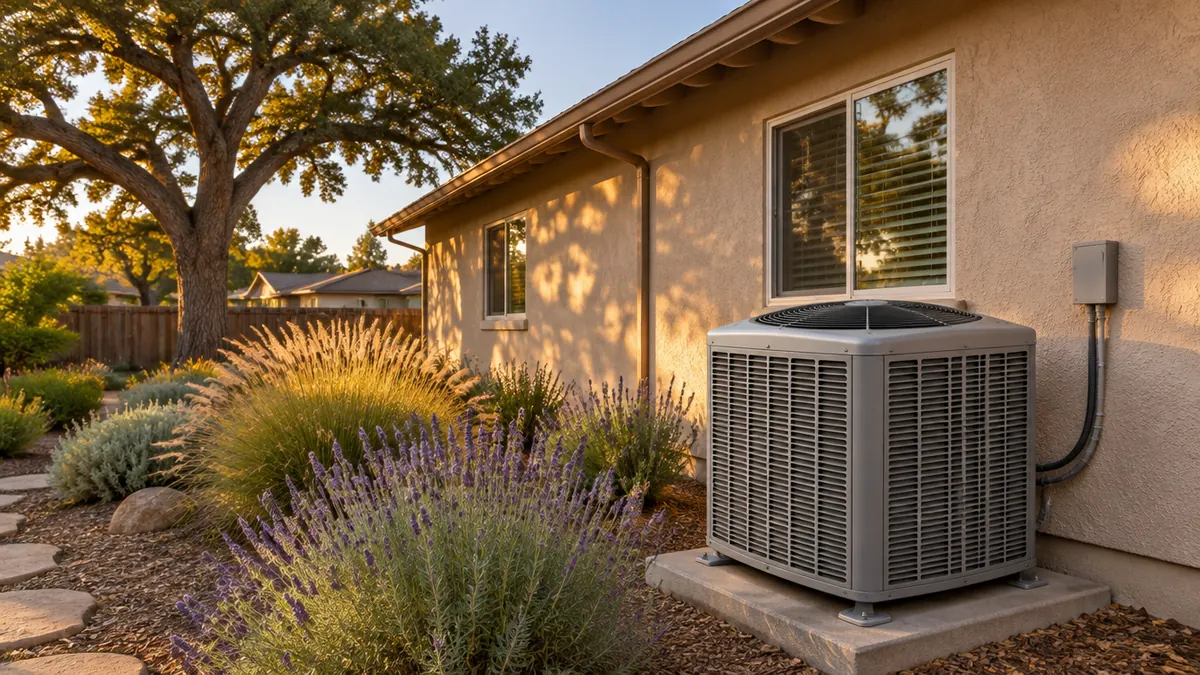
AC Short Cycling: Why Your AC Keeps Turning On and Off
AC turning on and off every few minutes? Learn what short cycling is, why it strains the compressor and wastes energy, what to check first, and when to call.
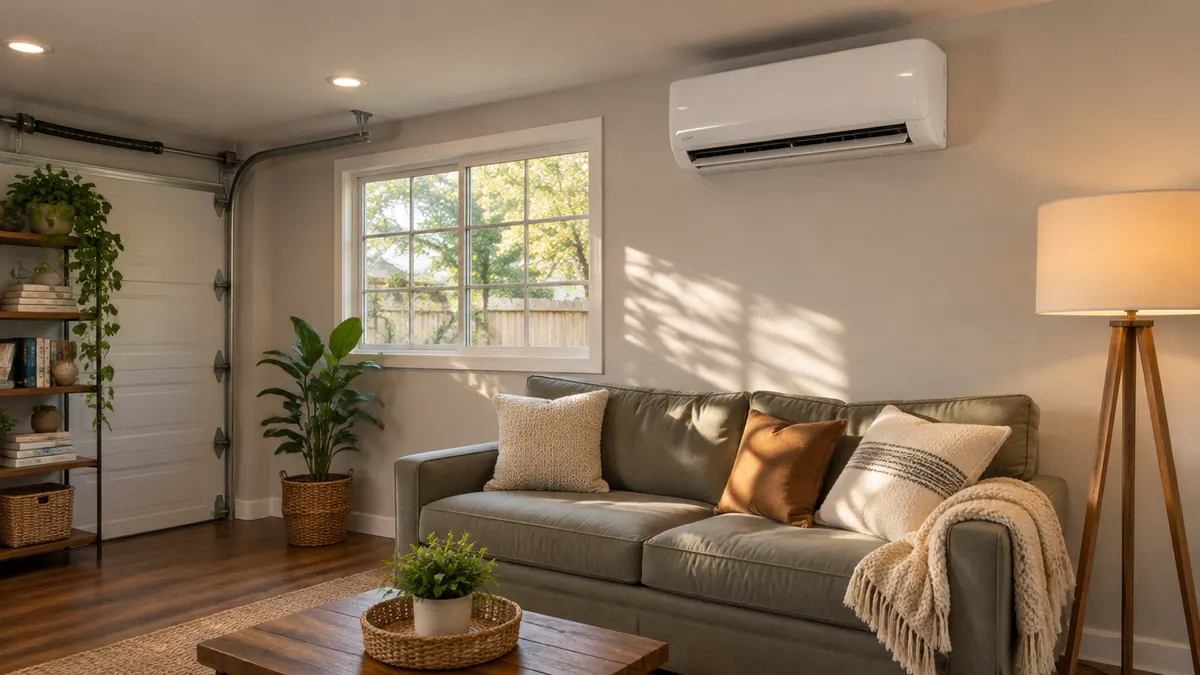
Central Air vs. Mini-Split: Which Is Better for Your Home?
Mini-split vs. central air: how each works, which ones heat and cool, garage use, electricity use and cost drivers, so you can pick the right fit for your home.
Do New HVAC Systems Use Freon? R-22, R-410A and R-454B Explained
Do new HVAC systems use Freon? What replaced R-22, R-410A vs. R-454B, whether you can still buy R-22, and what EPA and California rules mean for your system.
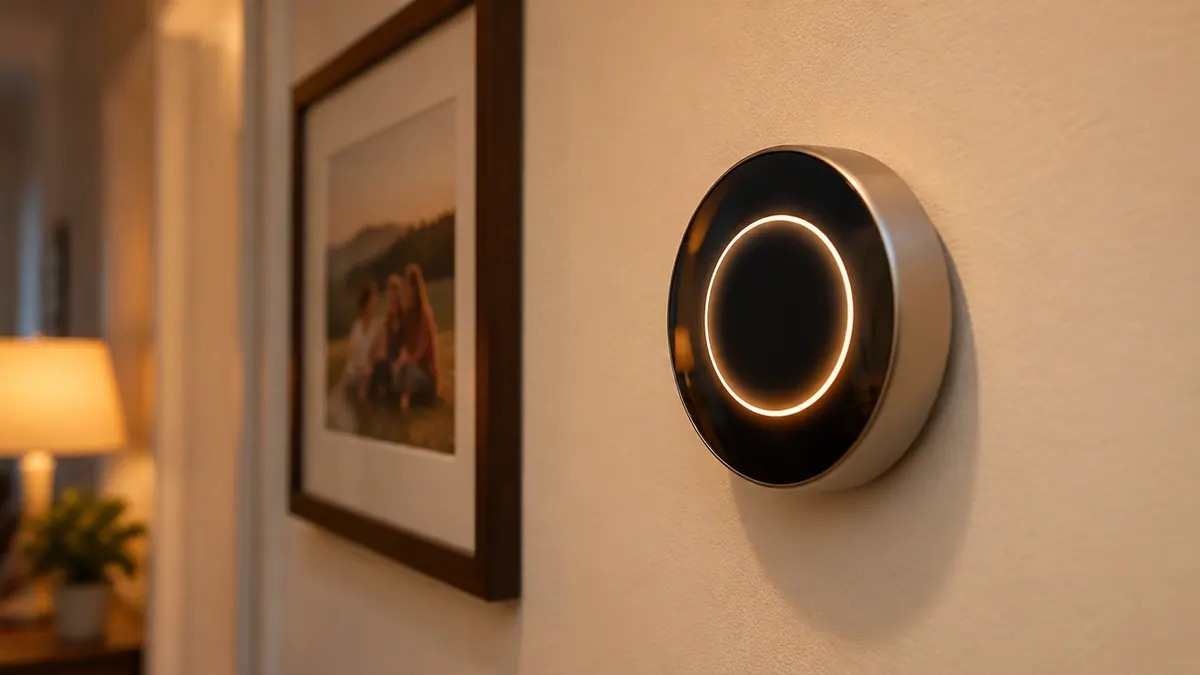
HVAC Not Working After a Power Outage? How to Restart It Safely
AC, furnace or heat pump not working after a SMUD power outage? See how to restart it safely, why some heat pumps need emergency heat first, and when to call.
Why Does My AC Run Constantly? What’s Normal and What Isn’t
AC running nonstop or won’t turn off? Learn when long run times are normal in a Sacramento summer, what keeps an AC from shutting off, and what to check first.
Why Is My AC Blowing Warm Air? Causes and What to Do
AC blowing warm air or not cooling? Try 6 safe checks, see which causes need a technician, and learn when to call JM Comfort for AC repair near Sacramento.
Why Is My AC Freezing Up? Causes, Fixes and Prevention
AC freezing up? Learn why coils and refrigerant lines ice over, how to thaw a frozen AC without damage, how to prevent it, and when the ice means a leak.
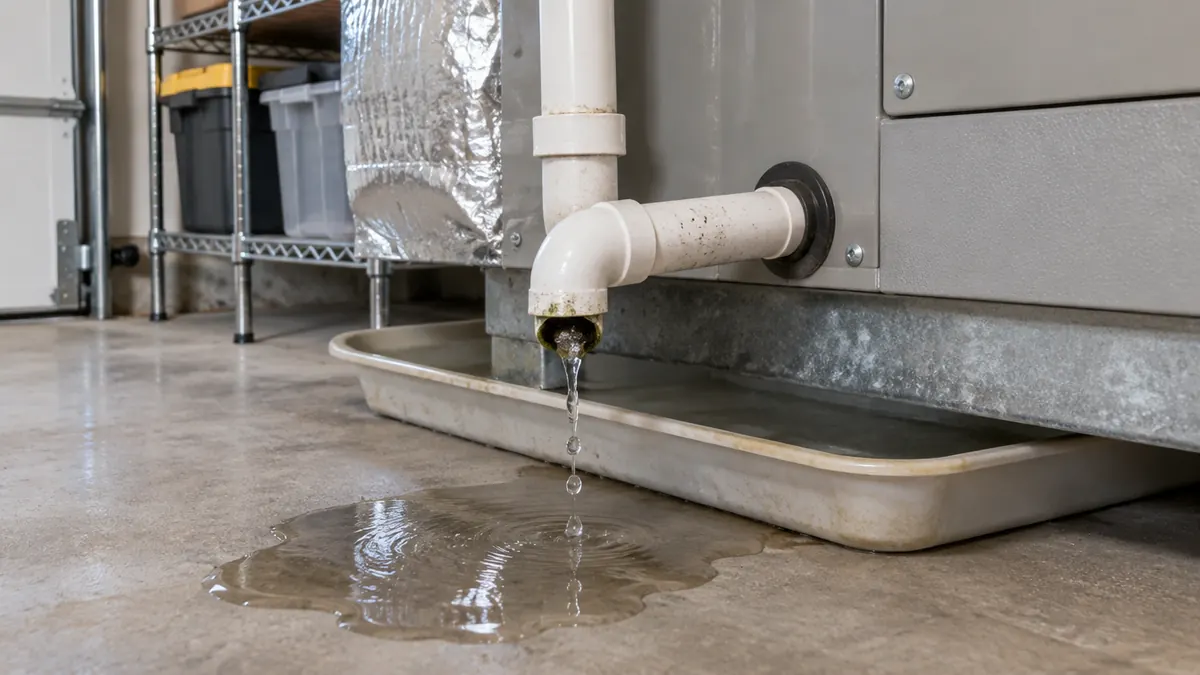
Why Is My AC Leaking Water? Causes, Fixes and What to Check
AC, furnace or mini-split leaking water inside? Learn the causes, from a clogged drain line to a frozen coil, what to check safely, and when to call a pro.
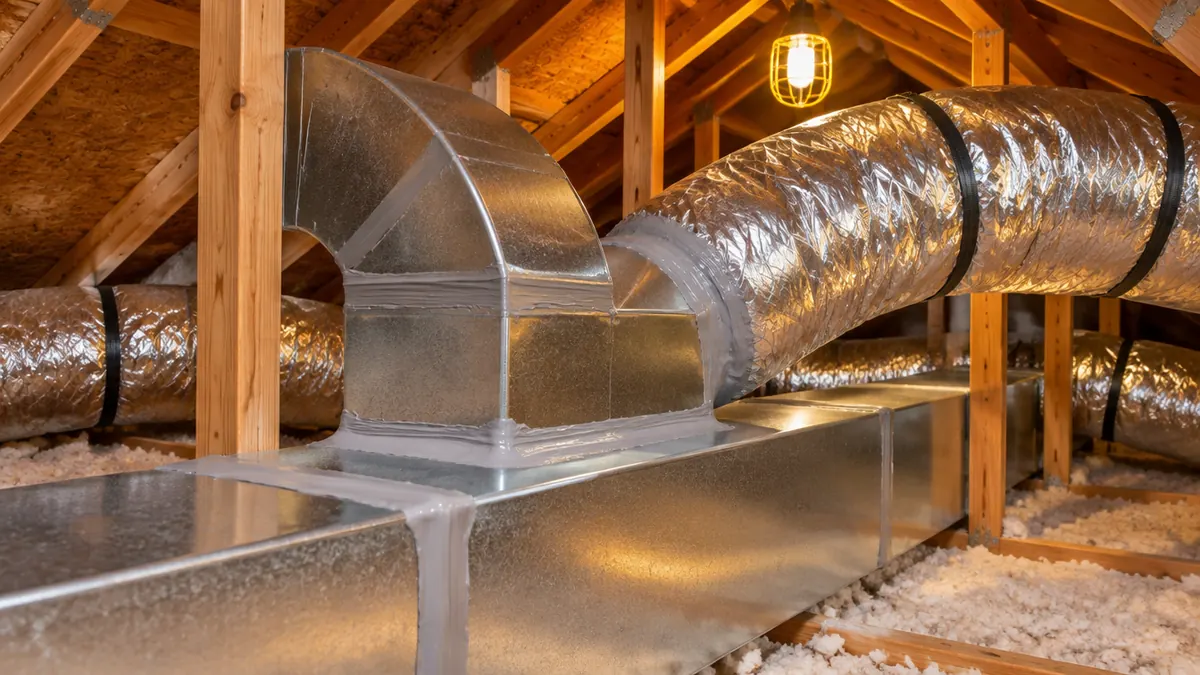
Why Is My Upstairs So Hot? Causes and How to Cool It
Upstairs hot while downstairs stays cool? Learn why it happens in Sacramento summers, 7 safe fixes to try today, and when attic ducts or insulation need a pro.
Heating
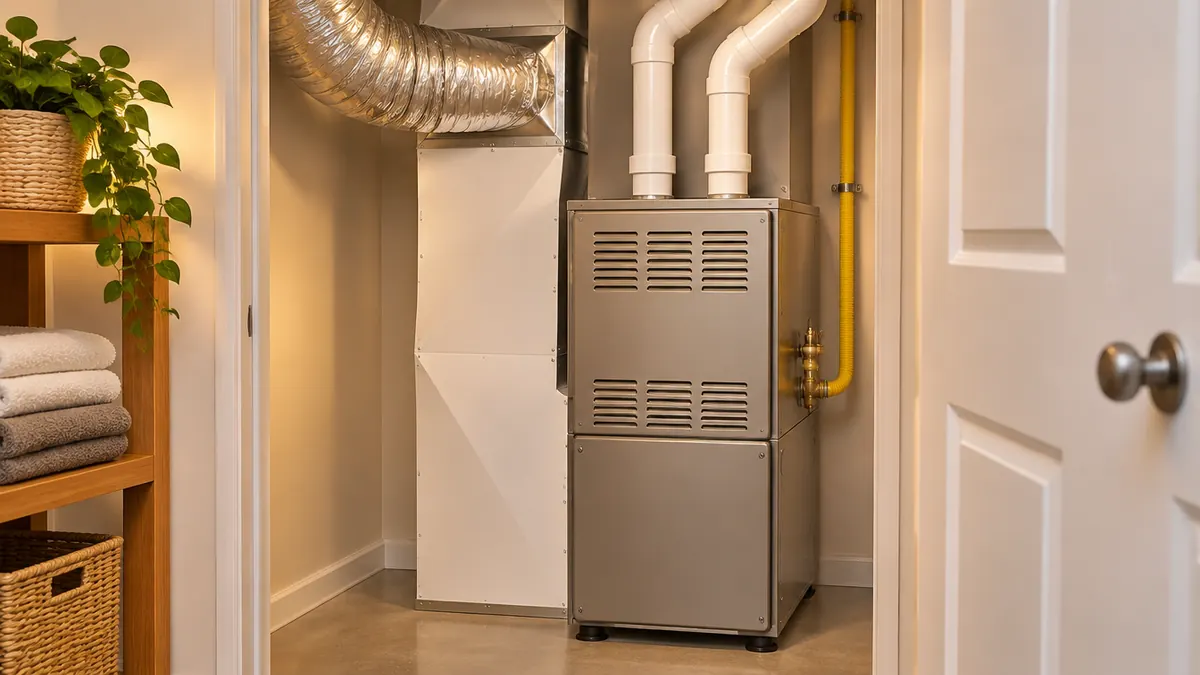
Cracked Heat Exchanger: Signs, Real Risks and What to Do
A cracked heat exchanger can leak carbon monoxide, but it’s also a sales scare line. Learn the signs, how a crack is confirmed, and what proof to ask for.
Gas Furnace vs Electric Furnace: Which Is Cheaper to Run?
Gas furnace vs electric furnace: how each heats, which costs less to run on PG&E gas or SMUD power, what California code allows, and when a heat pump wins.
Why Does My Furnace Smell Like Burning? What Each Smell Means
Furnace smell like burning? Learn which smells are normal dust, which mean an electrical or gas problem, and what to do right now to keep your family safe.
Why Is My Furnace Blowing Cold Air? Causes and Fixes
Furnace blowing cold air? Learn which causes are normal, try 6 safe checks, and see when a pilot, flame sensor or limit switch problem needs a technician.
Why Is My Furnace Not Working? Causes and What to Do
Furnace not working or won’t turn on? Try 7 safe checks, learn why furnaces keep shutting off, and see when to call for furnace repair in Sacramento.
Heat Pumps
Do Heat Pumps Work in Cold Weather? What Happens as It Gets Colder
Do heat pumps work in cold weather? Yes. See where heat pumps lose capacity, what cold climate models do, when backup heat helps, and Sacramento’s mild winters.
Do Heat Pumps Work in Sacramento? Climate, Costs, Noise and Rebates
Do heat pumps work in Sacramento? Yes. See NOAA climate numbers, how they cool in summer, noise, running costs vs gas and SMUD rebates as of November 2026.
Emergency Heat vs. Aux Heat: What Your Heat Pump Thermostat Means
Emergency heat vs aux heat explained: what each heat pump setting does, when to use emergency heat, why aux heat comes on, and how much it costs to run.
Heat Pump Defrost Mode: Why It Steams, Ices Up and How Long It Lasts
Heat pump steaming or iced up in winter? Learn how defrost mode works, how long a cycle should last, steam vs. smoke, and when ice means it’s time to call.
Heat Pump vs. Air Conditioner: What’s the Difference, and Which Do You Have?
Heat pump vs air conditioner: how they differ, which fits a Sacramento home, SMUD heat pump rebates as of Nov 2026, and 4 quick ways to tell which one you have.
Heat Pump vs. Gas Furnace: Which Is Better for a Sacramento Home?
Heat pump vs gas furnace for Sacramento homes: comfort, SMUD and PG&E running costs, dual fuel, SMUD rebates as of Nov 2026, and how to compare both options.
Why Is My Heat Pump Not Heating? Causes and What to Do
Heat pump not heating or blowing cold air? See what’s normal, 6 safe checks to try, what to do after snow or ice, and when to call for heat pump repair.
Air Quality
Do HVAC UV Lights Work? And What About Air Purifiers?
Air purifiers with good filters cut indoor particles; HVAC UV lights do far less. See what EPA and CARB say about UV, ionizers and ozone, and what pays off.
Does Air Conditioning Help With Wildfire Smoke? Filters, Settings and Clean Rooms
Central AC doesn’t clean smoke by itself; the filter does. EPA and CARB tips on MERV 13 filters, fan and recirculate settings, air purifiers and clean rooms.
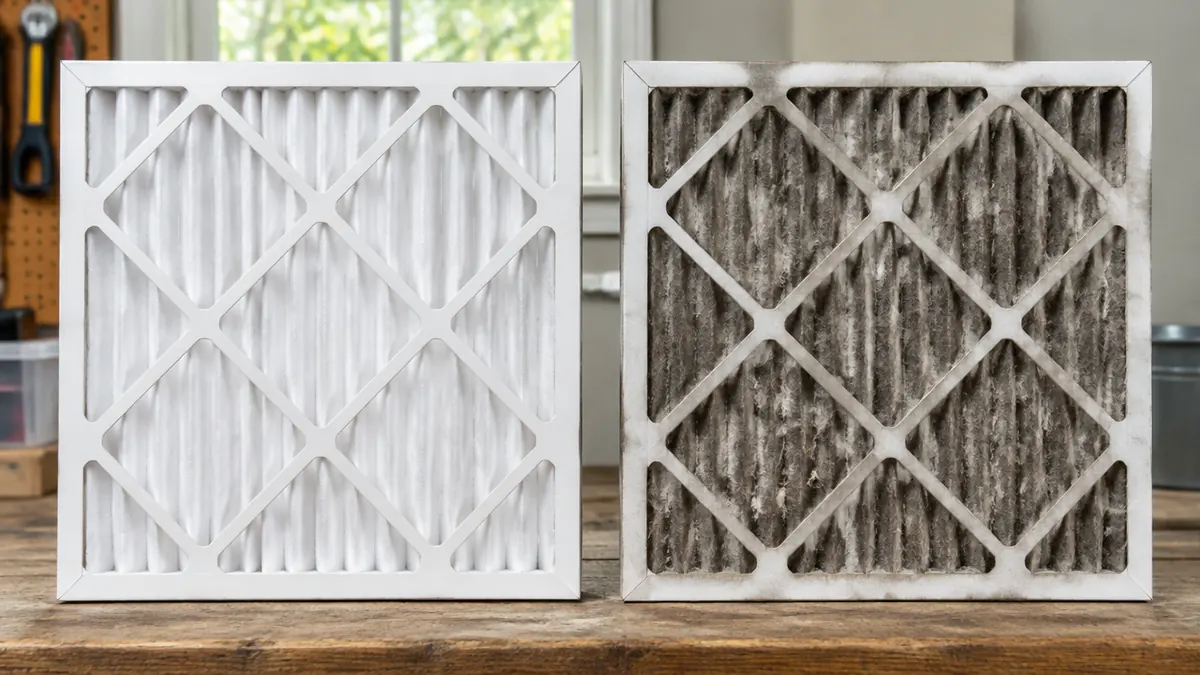
How Often Should You Change Your Air Filter?
Check your HVAC filter monthly and change it at least every 3 months. See a schedule by filter type, what a clogged filter does, and what to do in smoke season.
Is It Worth Cleaning Your Air Ducts? When It Helps and When It Doesn’t
Usually not as routine upkeep, per EPA. See the 3 cases where air duct cleaning is worth it (mold, pests, heavy debris), what’s normal, and what to ask first.
Leaky Ductwork: The Signs, Whether Duct Sealing Is Worth It, and When to Replace
A typical home loses 20 to 30% of its duct air to leaks, says ENERGY STAR. See the signs, whether sealing pays, and California’s Title 24 duct testing rules.
What Is the Ideal Indoor Humidity for a Sacramento Home?
EPA says keep indoor humidity at 30% to 50%. See how Sacramento’s dry summers and damp winters affect it, when a dehumidifier helps, and signs of HVAC mold.
What MERV Rating Should You Use? How to Pick the Best Air Filter
EPA suggests MERV 13 or the highest your system can handle. Compare MERV 8, 11 and 13, see when a high-MERV filter strains your HVAC, and what to use for smoke.
Why Are My Air Ducts Sweating? Causes and Fixes for Dripping Ductwork
Sweating ducts mean moist air is hitting a cold duct. See why it happens in Sacramento-area crawlspaces and homes, and how sealing and insulation stop it.
Costs & Buying
Do You Need a Permit for HVAC Replacement? Title 24 in Sacramento
Replacing an AC, furnace or heat pump in Sacramento needs a permit and Title 24 testing. See what gets tested, what permits cost and what to ask for.
How Long Do HVAC Systems Last? AC, Heat Pump, Furnace and Duct Lifespans
Most HVAC equipment lasts 10 to 25 years. See lifespan ranges for ACs, heat pumps, furnaces and ducts, what wears them out, and how Sacramento heat plays in.
How Much Does AC Repair Cost? 2026 National Prices and What Drives Them
Most AC repairs cost $150 to $700 in 2026 national cost guides. See repair prices, service call fees, recharge costs and the California rules that apply.
How Much Is a New HVAC System? 2026 National Costs by Type
A new HVAC system costs about $5,000 to $12,500 nationally, per This Old House. See heat pump, furnace and AC prices, California code costs and SMUD rebates.
How to Choose an HVAC Company: License Checks, Questions and Red Flags
How to choose an HVAC company in California: check a C-20 license on cslb.ca.gov, know your contract and down payment rights, and spot the red flags.
SMUD HVAC Rebates and Tax Credits in 2026: What’s Still Available
The federal HVAC tax credit ended after 2025. See SMUD heat pump rebates as of November 2026, what they require, and which state programs have closed.
Should You Repair or Replace Your AC or Furnace?
Repair or replace your AC or furnace? Use ENERGY STAR’s age guidance, the $5,000 rule, refrigerant rules and California code facts, then run your numbers.
Signs You Need a New HVAC System: 9 Warnings to Watch For
Is your AC or furnace near the end? See 9 signs you need a new HVAC system, the ages ENERGY STAR flags, and when a repair still makes more sense.
What Does a New HVAC System Include? Equipment, Install and Paperwork
What comes with a new HVAC system: the equipment, line set, thermostat, permit, Title 24 duct test, CF2R and CF3R forms, haul-away and startup checks.
What Is SEER2? SEER vs. SEER2, EER2, HSPF2 and AFUE Explained
SEER2 is the cooling efficiency rating used since 2023. Learn SEER vs SEER2, EER2, HSPF2 and AFUE, and the minimum ratings for a new system in California.
What Size AC Do I Need? Tons, BTUs and How Sizing Really Works
What size AC do you need? Use the ENERGY STAR chart for a starting estimate, see why a load calculation decides, and why too big is a problem in Sacramento.
Maintenance
Are HVAC Maintenance Plans Worth It? An Honest Answer
HVAC maintenance is worth it. A maintenance plan only pays if it beats booking the same tune-ups yourself. What plans include, what they cost, warranty rules.
Best Thermostat Settings for Summer and Winter: What Temperature to Set
The best thermostat settings for summer and winter, per ENERGY STAR and DOE: when to set back, Auto vs On for the fan, SMUD peak hours, and heat pump setbacks.
DIY HVAC Maintenance Checklist: Safe Spring and Fall Tasks
A homeowner HVAC maintenance checklist: filters, the outdoor unit, the drain line, the thermostat and CO alarms, by season, plus what to leave to a technician.
Should You Cover Your AC in Winter? How to Winterize Your HVAC
Should you cover your AC in winter? Usually not, and never a heat pump. Here’s how to winterize an AC, keep a heat pump clear and get a furnace ready.
What Does an HVAC Tune-Up Include? The Full Checklist
An HVAC tune-up cleans, tests and adjusts your AC, furnace or heat pump. See the full checklist, when to book in Sacramento, what it costs, and who to call.
Why Is My AC or Furnace Making Noise? What Each Sound Means
What HVAC noises mean: buzzing AC units, squealing or banging furnaces, compressor sounds and hissing lines, plus which ones are normal and which need a pro.
Why Is My Thermostat Not Working? Blank Screens, Batteries and Fixes
Thermostat not working or blank? Try safe checks for batteries, breakers and settings, learn what a flashing Cool On means, and know when to call a pro.
Safety
AC Out in a Heat Wave? How to Stay Safe Until It’s Fixed
AC out in a Sacramento heat wave? Learn the signs of heat exhaustion and heat stroke, how to stay cool without AC, and when to call 911, SMUD or JM Comfort.
Carbon Monoxide Safety: Symptoms, Sources and Where to Put Alarms
Carbon monoxide has no smell. Learn CO poisoning symptoms, how a furnace can leak CO, where alarms go, what California requires, and why you call 911 first.
Smell Gas Near Your Furnace? What to Do Right Now
Smell rotten eggs near the furnace? Leave now, avoid anything that could spark, then call 911 and PG&E from outside. Step-by-step help for Sacramento homes.
Why Is My Carbon Monoxide Alarm Going Off? What to Do Right Now
CO alarm going off? Get outside and call 911 first. Then learn what 4 beeps vs. a 30-second chirp means, how long CO alarms last and when to replace one.
HVAC Basics
How Does a Furnace Work? Parts, Steps and Safety Controls
How a gas furnace works, step by step: thermostat, inducer, igniter, flame sensor, heat exchanger and blower, plus what each part does and signs it’s failing.
What Is an HVAC System? Parts, Airflow and Common Types
What is an HVAC system? Learn what HVAC means, what each part does, how air moves through your ducts, and which systems are most common in California homes.
Need a hand with your heating or cooling?
JM Comfort is a locally owned, licensed heating and air conditioning contractor (CSLB #1016274) serving the Sacramento area. Open 24/7: call or text any time, or book online and we’ll call you back.
Open 24/7 · Licensed C-20 HVAC contractor · CSLB #1016274 · (916) 247-6358