Why Is My AC or Furnace Making Noise? What Each Sound Means
Every heating and cooling system hums, clicks and whooshes. The trick is knowing which sounds are normal and which ones mean you should turn the system off and call.
JM Comfort can help: AC repair for homes in Sacramento and nearby. Licensed C-20 HVAC contractor, CSLB #1016274.
Your heating and cooling system talks to you. Most of what it says is normal: a click, a hum, the rush of air through the vents. But a new buzz, squeal, grind or bang usually points to one specific part, and catching it early can be the difference between a small repair and a big one. This guide explains what each sound means, which ones are normal, and when to turn the system off and call for AC repair or furnace repair.
Safety first: If you smell gas or hear hissing from a gas appliance, leave the house now and move upwind. Until you’re a safe distance away, don’t use anything that could spark, including cell phones, flashlights, light switches, matches or vehicles. Then call 911, and then PG&E (see PG&E’s Report an Emergency page). If a carbon monoxide alarm sounds or anyone feels sick, get outside to fresh air immediately, then call 911. Never remove furnace or AC access panels yourself: they hide high voltage, gas and combustion parts.
Why is my AC making noise?
A working AC always makes some noise, but loud humming, buzzing, clicking that won’t stop, squealing, grinding, banging or hissing usually means a part is failing: a capacitor, a fan motor, the compressor, or a refrigerant leak.
Start by pinning down where the sound comes from. Noises from the outdoor unit usually involve the compressor, the outdoor fan or the electrical parts that start them. Noises from the indoor unit usually involve the blower. Hissing along the copper lines points to refrigerant. Then notice when it happens: only at startup, the whole time the system runs, or at shutdown. That detail helps a technician narrow it down fast.
What do HVAC noises mean?
Each sound has a short list of usual causes. Use this table to match what you hear, then follow the “what to do” column.
| Sound | Where | What it often means | What to do |
|---|---|---|---|
| Soft, steady hum | Furnace or outdoor unit while running | Normal operation | Nothing |
| Click before the burners light | Furnace | Normal startup | Nothing |
| Light pinging or popping | Ductwork, as the heat comes on | Ducts expanding as they warm; normal | Nothing |
| Loud humming or buzzing | Outdoor unit | Failing capacitor | Turn off; call |
| Buzzing | Furnace | Loose transformer, failing capacitor or worn blower motor | Call |
| Buzzing or vibrating | Ductwork | Loose duct connections | Call about duct repair |
| Loud clicking at startup, hard starting | Outdoor unit | Compressor trouble | Turn off; call |
| Squealing or screeching | Furnace or indoor unit | Blower motor bearings; a loose belt on older systems | Turn off; call |
| Squealing, grinding or scraping | Outdoor unit | Worn fan motor or failing bearings | Turn off; call |
| Grinding, banging or rattling | Outdoor unit | Compressor problem | Turn off; call |
| Bang when the furnace starts | Furnace | Delayed gas ignition | Turn off; call now; leave if you smell gas |
| Rumbling at startup | Furnace | Dirty gas burners | Call |
| Whistling | Furnace, vents or return | Restricted airflow, often a dirty filter | Check the filter |
| Hissing or gurgling | Refrigerant lines or coil | Refrigerant leak or valve problem | Turn off; call |
| Hissing, whistling or roaring | A gas appliance, gas line or the ground | Possible gas leak | Leave; call 911, then PG&E |
| Whoosh, with steam and a stopped fan | Heat pump outdoor unit, cold damp mornings | Defrost cycle; normal | Nothing |
Why is my AC unit buzzing?
A loud hum or buzz from the outdoor unit most often points to a failing capacitor, the part that gives the compressor motor the jolt of electricity it needs to start.
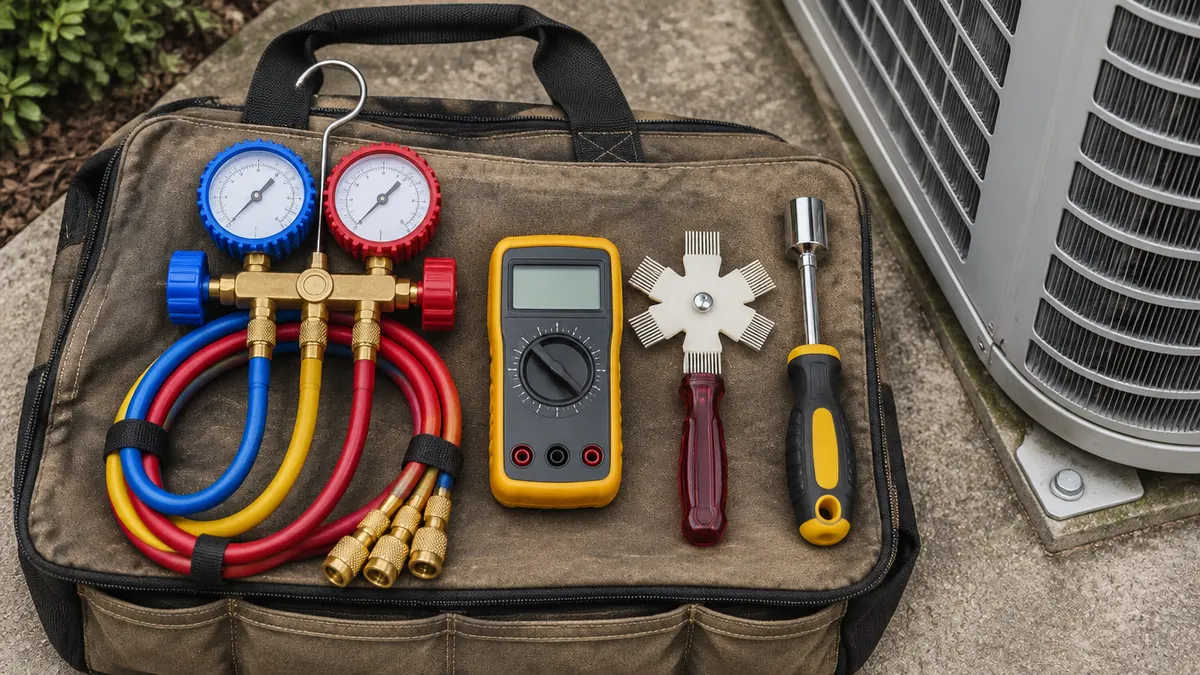
When the capacitor weakens, the system may struggle to start, hum loudly, or not start at all. You might hear the hum, then nothing, while the house gets warmer. Other electrical parts in the outdoor unit can buzz too. None of them are safe to test yourself. One major manufacturer warns that air conditioners contain high voltage that can stay stored in components even after the power is disconnected, and that safe homeowner troubleshooting ends before you open the cabinet.
What you can do: set the thermostat to Off so the unit stops trying to start, make sure nothing is caught against the fan grille, and call for service rather than letting it keep trying. If the outdoor unit is silent while the indoor fan runs, see why an AC blows warm air.
Does an AC compressor make noise?
Yes, a compressor makes a steady hum while it runs, but grinding, squealing, banging or loud rattling from the outdoor unit often means internal mechanical trouble.
One major manufacturer lists grinding, squealing and banging as signs of internal mechanical failure, and loud grinding or rattling as a symptom of a bad compressor. Another lists hard starting, loud clicking during startup and repeated breaker trips as possible compressor warnings. Other signs tend to show up with the noise: warm air from the vents, a breaker that trips, or higher cooling bills.
Compressor trouble is never a DIY job. Turn the system off and call. The guide to an AC compressor that isn’t working covers repair, cost and when replacement makes more sense.
Hissing is a different problem
A hiss while the system runs can come from a crack or hole in a coil that’s leaking refrigerant. Low refrigerant also shows up as weak cooling, longer run times and ice on the coils. Refrigerant work is a job for a certified technician. Learn more in our refrigerant guide and why an AC freezes up.
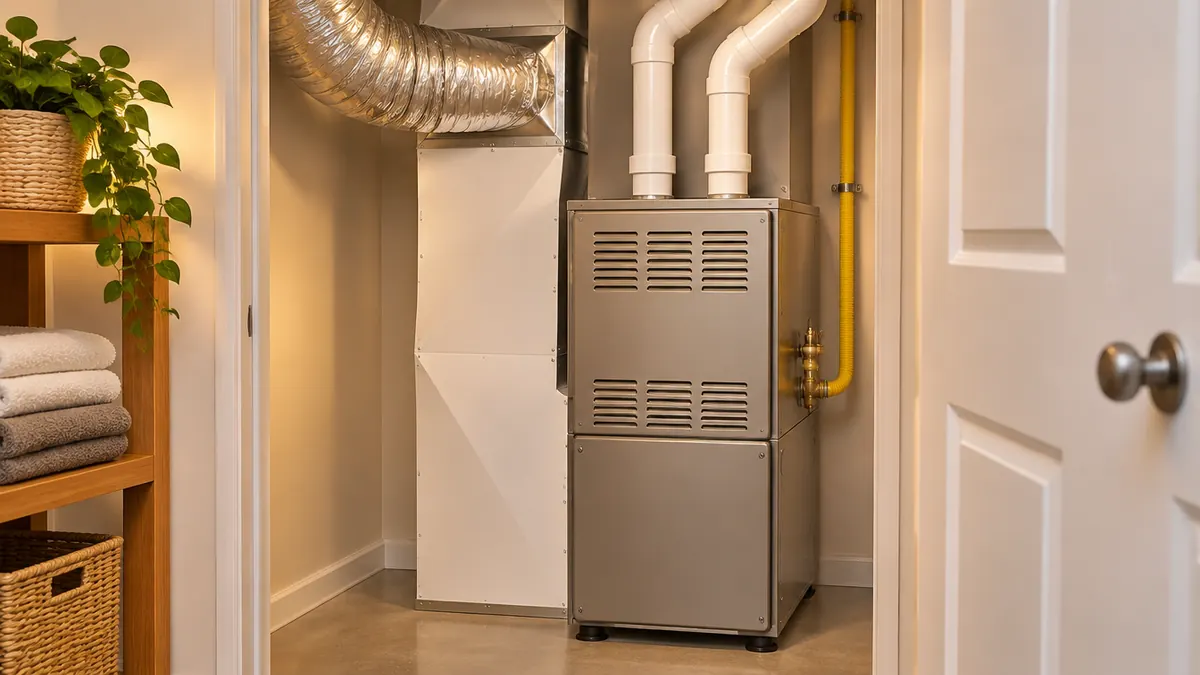
Why is my furnace making a banging noise?
A sudden bang when the furnace first starts can mean delayed gas ignition, which one major manufacturer says needs immediate attention; light popping from the ducts as they warm up, on the other hand, is normal.
Delayed ignition means the burners light late. Dirty burners are one cause another manufacturer lists for banging, along with loose or worn parts and a damaged blower wheel. Whatever the cause, it involves the gas burners and combustion, so it’s not something to troubleshoot yourself. Set the thermostat to Off and call for furnace repair.
If the bang comes with a gas smell, don’t touch the thermostat or any switch. PG&E, the natural gas utility for Sacramento County, says never to turn electric switches on or off if you suspect a gas leak. Get everyone out to an upwind spot, then call 911 and then PG&E from a safe distance. Our guide to smelling gas near a furnace walks through it, and what to do when a CO alarm goes off covers the alarm.
Ducts that pop or boom
Metal ducts expand as warm air hits them and contract as they cool. One major manufacturer calls a slight pinging or popping from the ducts when the heat first comes on normal. A buzzing or vibrating duct is different: it usually means loose connections, which duct repair or sealing may fix. See leaky ductwork.
Why is my furnace squealing?
A high-pitched squeal or screech from the furnace is most likely a blower motor problem, usually worn bearings; on older systems, a loose fan belt can squeal too.
The blower is the fan that pushes warm air through your ducts. As its motor bearings wear, they start to squeal or grind, and the motor may run unevenly or deliver weak airflow before it quits. A technician may be able to replace the bearings and lubricate the motor, but sometimes the motor has to be replaced. Don’t let it run for days while it squeals; set the thermostat to Off and call.
What other furnace noises should you know?
Rumbling, whistling, buzzing and clicking each have their own usual cause, and only whistling has a common homeowner fix.
- Rumbling at startup. A loud rumble as the furnace starts can come from dirty gas burners. Call for service.
- Whistling. This usually points to an airflow problem. Check the filter and change it if it’s dirty, then make sure supply vents and return grilles aren’t blocked.
- Buzzing. Common causes include a loose transformer box, a failing capacitor in older furnaces, or a worn blower motor.
- Clicking that goes on and on. One click before the burners light is normal. Repeated clicking, unusual vibration or trouble starting a heating cycle can signal a failing draft inducer motor.
Want to know what those parts do? Read how a furnace works.
Why does my heat pump whoosh on foggy winter mornings?
A whoosh from a heat pump on a cold, damp morning is usually the defrost cycle, and it’s normal: one major manufacturer says you may hear a swooshing sound as the refrigerant reverses course.
In heating mode, the outdoor coil runs colder than the air around it. The same manufacturer says it’s typically 10 to 20°F colder, and that cold, humid conditions cause frost to build up on it, so defrost can start even when it’s in the low 40s outside. That describes plenty of Sacramento winter mornings. NOAA’s climate summary for Sacramento says dense fog occurs mostly in mid-winter, that fog is usually confined to the early morning hours, and that under stagnant conditions winter fog can hang on for several days.
While the heat pump clears that frost, expect a short list of normal sounds and sights:
- A whoosh as the refrigerant reverses direction.
- A quiet outdoor fan. The fan may stop while the compressor keeps going, and the compressor sound may rise or fall.
- A cloud of steam from the outdoor unit as the melting frost evaporates. It isn’t smoke.
The same manufacturer says to call if the heat pump seems to switch into defrost constantly, if defrost cycles keep getting longer, or if frost and ice start to cover the unit. Grinding, squealing or banging from a heat pump isn’t defrost; treat those like the outdoor-unit noises above. More in heat pump defrost mode and do heat pumps work in Sacramento, and for repairs, heat pump repair and installation.
What should you do when your HVAC system makes a strange noise?
Put safety first, turn the system off for any loud mechanical noise, note the sound, check the filter, and call a technician.
- Safety first. Gas smell or hissing from a gas appliance: leave, then call 911 and PG&E from outside. Carbon monoxide alarm: get outside, then call 911.
- Turn it off for loud mechanical noises. Grinding, squealing, screeching, banging or rattling: set the thermostat to Off. One major manufacturer advises turning the AC off immediately to help prevent further damage.
- Note the sound. What does it sound like, where does it come from, and when does it happen? Record a short video on your phone if you can do it safely.
- Check the filter. Whistling and weak airflow often start with a clogged filter. See how often to change your air filter.
- Look, don’t open. Clear leaves and sticks from around the outdoor unit, but don’t remove panels or reach into the fan.
Many noises start as small problems that a yearly check catches early. See what an HVAC tune-up includes. When a sound needs attention now, schedule AC repair and describe what you heard.
Why do Sacramento-area homeowners call JM Comfort about strange noises?
JM Comfort is a locally owned heating and air conditioning contractor based in North Highlands, serving North Highlands, Sacramento and nearby communities. It’s a licensed C-20 HVAC contractor (CSLB #1016274), licensed since 2016 and bonded, with workers’ comp insurance on file; you can check the license on the CSLB website. The team repairs furnaces, central air conditioners and heat pumps for homes, and also handles tune-ups and new installations, so if a noise turns out to be the start of a bigger problem, the same team can help with what comes next.
Call (916) 247-6358 or book AC repair online and we’ll call you back.
Frequently asked questions
Is it normal for my AC to make noise when it starts?
Some sound is normal: a click as the system turns on, then the steady hum of the fan and compressor. Loud clicking during startup, hard starting or a breaker that keeps tripping can point to a compressor problem. Set the thermostat to Off and call for AC repair.
Why does my ductwork pop when the heat comes on?
A slight pinging or popping as the ducts expand when the heat first comes on is normal, according to one major manufacturer. A buzzing or vibrating sound from the ducts is different: it usually means loose connections. A loud bang from the furnace itself at startup is a separate problem that needs immediate attention.
Can a dirty air filter make my system noisy?
Yes. A whistling sound while the system runs usually points to an airflow problem, and a clogged filter is the first thing to check. See how often to change your air filter.
Should I turn off my AC if it’s making a loud noise?
Yes, if you hear grinding, squealing, screeching or banging. One major manufacturer advises turning the air conditioner off immediately to help prevent further damage. Set the thermostat to Off and call a technician instead of letting it keep running.
Does JM Comfort fix noisy furnaces and air conditioners?
Yes. JM Comfort repairs furnaces, central air conditioners and heat pumps for homes in North Highlands, Sacramento and nearby communities. Describe the sound when you call (916) 247-6358 or book online.
Sources
- Furnace Making a Buzzing Noise? Learn Why and What to Do (Trane)
- How to Repair and Troubleshoot Your Furnace (Bryant)
- How to Repair and Troubleshoot Your AC (Bryant)
- What Is an AC Compressor? | Function, Cost & Repair Guide (Carrier)
- 8 Common AC Repair Issues for Home Systems (American Standard Heating & Air Conditioning)
- How to identify an AC Refrigerant leak (Lennox)
- What Is a Heat Pump Defrost Cycle? (Trane)
- Climate of Sacramento, California (NOAA Technical Memorandum NWS WR-272, revised June 2005, PDF) (NOAA National Weather Service)
- Gas Safety (Pacific Gas and Electric Company)
- Carbon Monoxide (U.S. Consumer Product Safety Commission)
Find this helpful? Add JM Comfort as a preferred source on Google.