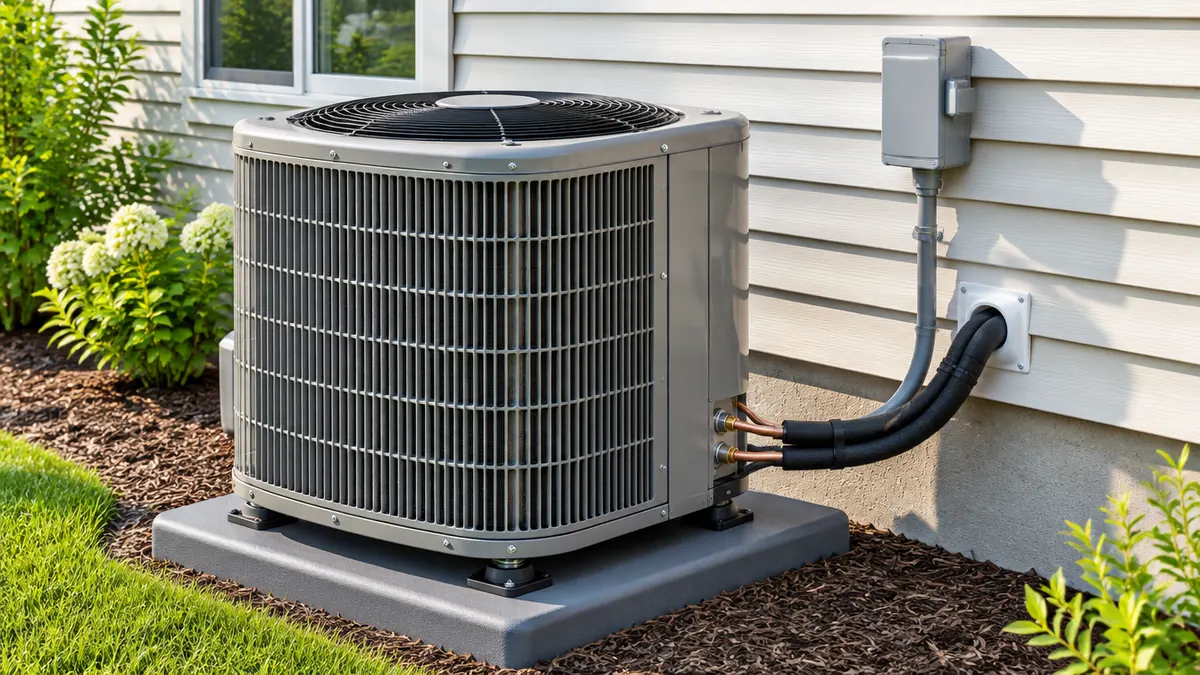
Signs You Need a New HVAC System: 9 Warnings to Watch For
Age, frequent repairs, rising bills and rooms that never feel right are the big ones. Here’s how to read each warning sign, which ones point to a replacement, and which ones a repair can still fix.
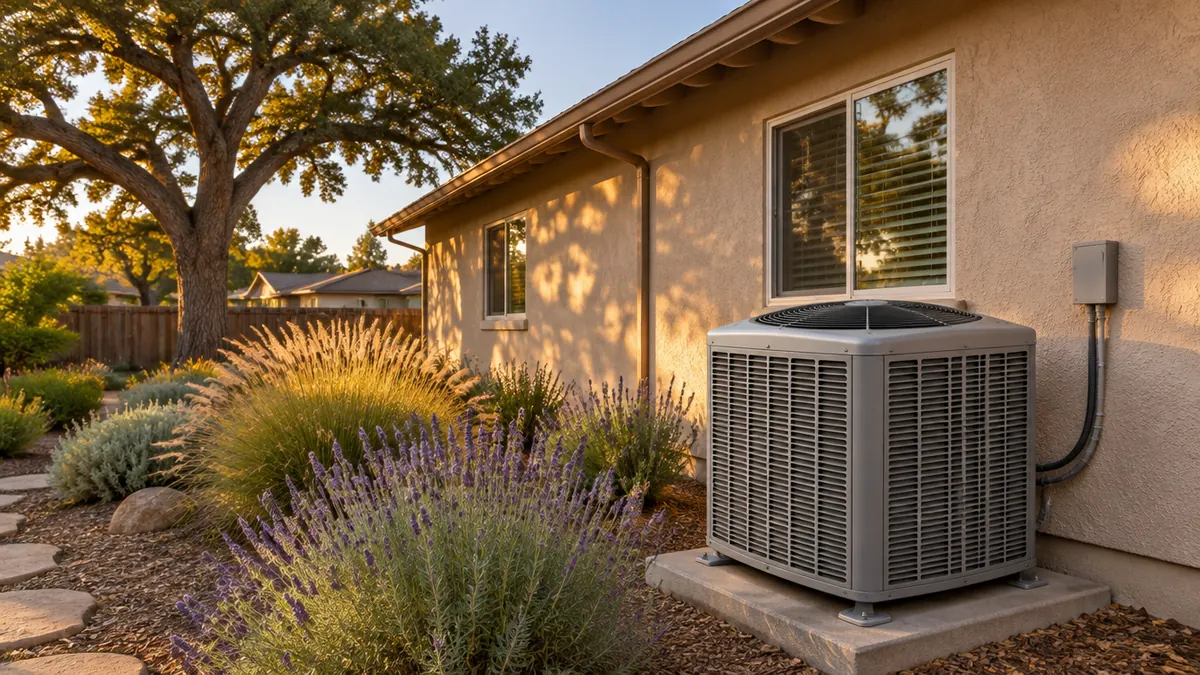
JM Comfort can help: AC installation for homes in Sacramento and nearby. Licensed C-20 HVAC contractor, CSLB #1016274.
Most heating and cooling systems don’t quit without warning. They get louder, cost more to run, need repairs more often and stop keeping every room comfortable. This guide walks through the warning signs, the ages that matter, and how to tell a system that needs a repair from one that’s ready for a new installation.
What are the signs you need a new HVAC system?
The clearest signs you need a new HVAC system are age (more than 10 years for an air conditioner or heat pump, more than 15 for a furnace), frequent repairs, rising energy bills, rooms that are too hot or too cold, humidity or dust problems, and new noises or smells. ENERGY STAR lists most of these as reasons to have a contractor look at your equipment.
Match what you’re noticing to the table. One sign on its own usually means “get it diagnosed.” Three or four together on an older system usually means “start planning a replacement.”
| Warning sign | What it can mean | Usually points to |
|---|---|---|
| AC or heat pump more than 10 years old | Likely less efficient than a new ENERGY STAR model | Plan ahead; replace when a big repair hits |
| Furnace more than 15 years old | Most furnace repairs come in the last few years of its life | Plan ahead; replace when a big repair hits |
| Repairs every season | Worn parts failing one after another | Replacement, if the system is also old |
| Energy bills climbing with the same use | Equipment that has lost efficiency | Diagnosis first; replacement if old |
| Rooms too hot or too cold | Equipment, duct or insulation problems | Diagnosis; may be the ducts |
| Too humid in summer or too dry in winter | Poor equipment operation, inadequate equipment or leaky ducts | Diagnosis; may be sizing or ducts |
| Dust that keeps coming back | Leaky ducts pulling in attic or crawlspace air | Duct repair or sealing |
| New noises or odd smells | Undersized ducts, an indoor coil problem or worn parts | Diagnosis now |
| An older AC that uses R-22 | Refrigerant no longer made; repairs rely on reclaimed supply | Replacement when a refrigerant repair comes up |
When should an HVAC system be replaced?
Replace an HVAC system when it’s past its typical age and repairs, bills or comfort problems have started to pile up. ENERGY STAR suggests considering replacement when a heat pump or air conditioner is more than 10 years old, or a furnace or boiler is more than 15 years old.
Those ages are a signal to plan, not a deadline. A 12-year-old AC that cools well, runs quietly and hasn’t needed a major repair can keep going with regular maintenance. What changes the math is the next big repair bill. One major manufacturer puts air conditioners and heat pumps at a service life of 10 to 12 years and furnaces at 15 to 20 years; other guides give longer ranges. The guide to how long HVAC systems last compares them.
The best time to decide is before something breaks. Replacing a system during a July heat wave leaves you choosing fast. Planning in spring or fall leaves time to compare sizes, efficiency and estimates, and to line up the permit a California replacement needs. If you’re weighing a specific repair bill, try the repair-or-replace calculator and read whether to repair or replace an AC or furnace.
What are the signs your furnace is dying?
A dying furnace usually shows it through more frequent breakdowns, loud banging or grinding noises, rising heating bills, rapid on-and-off cycling, and a house that no longer stays warm. One major manufacturer notes that most furnace repairs happen during the last few years of a furnace’s life.
Safety first: If you smell gas, alert everyone and leave the house now, moving upwind. Once you’re a safe distance away, call 911, then call PG&E; its Report an Emergency page lists the line to use. PG&E says not to use anything that could be a source of ignition, including cell phones, flashlights, light switches or matches, until you’re a safe distance away. If a carbon monoxide alarm sounds, or anyone feels dizzy, sick or confused, get outside to fresh air and call 911.
Furnace warning signs to watch for
- Age past 15 years. That’s the point where ENERGY STAR suggests considering a furnace replacement, especially alongside frequent repairs or rising bills.
- Frequent breakdowns. If you’re calling for repairs every winter, parts are wearing out one at a time.
- Loud banging, booming or grinding. One manufacturer says these noises aren’t normal. Don’t wait to have them checked.
- Rust, cracks or soot. Another manufacturer lists visible rust or cracks, soot, odd smells and rapid on-off cycling as signs a furnace may need replacing.
- A house that never feels warm. A furnace that runs but can’t keep up, or blows cool air, needs attention. Start with why a furnace stops working.
- Heating bills that keep rising without a change in how you use the system or in gas rates.
The heat exchanger is the big one
The heat exchanger is the part that heats your air while keeping the burner’s exhaust inside the furnace. One major manufacturer notes it’s the furnace’s most expensive part to replace, and that a failed heat exchanger often justifies a full furnace replacement. EPA lists leaking furnaces among the sources of carbon monoxide in homes and recommends having a trained professional inspect, clean and tune up your central heating system every year. Learn the signs of a cracked heat exchanger and what to do if your carbon monoxide alarm is going off.
What are the signs your AC is going out?
An air conditioner that’s going out tends to need repairs more often, cost more to run, get noisier, and stop keeping the house cool. On a system more than 10 years old, those signs together usually mean it’s time to plan a replacement.
- Repairs that keep coming. One major manufacturer calls frequent repairs a particular problem for older air conditioners and heat pumps that use R-22, the refrigerant many people call Freon.
- Summer bills creeping up. ENERGY STAR says equipment that needs frequent repairs while your bills climb may have become less efficient.
- Sticky, humid rooms. ENERGY STAR notes that poor equipment operation, inadequate equipment and leaky ductwork can leave a home too humid in summer. A Sacramento house that feels clammy in summer is unusual, so treat it as a reason for a diagnosis; see ideal indoor humidity.
- New noises. ENERGY STAR links a noisy system to an undersized duct system or a problem with the indoor coil.
- Warm air or weak cooling. Not every warm-air problem means a dying AC. Run the safe checks in why an AC blows warm air before you assume the worst.
A heat pump shows the same signs, in both seasons, because it heats and cools. If yours is the one wearing out, see heat pump repair and installation and do heat pumps work in Sacramento.
Does an old refrigerant mean you have to replace your AC?
No. Federal rules don’t make you replace a working system because of its refrigerant, but the refrigerant can turn a major repair into a poor investment. EPA says you can keep using an air conditioner that runs on R-22, and it doesn’t require homeowners to replace existing equipment.
The catch is supply. No new R-22 has been made in or imported into the United States since January 1, 2020, so repairs depend on recovered and reclaimed refrigerant. If an R-22 system needs a big refrigerant repair, that’s often the moment to replace it instead.
Systems that use R-410A are in a different spot. EPA says the manufacture of R-410A home air conditioning products has been prohibited since January 1, 2025, but homeowners can maintain and repair their existing systems throughout the useful life of the equipment. An R-410A system isn’t a reason to replace by itself. The refrigerant guide covers R-22, R-410A and R-454B.
Could the problem be your ducts instead of your system?
Yes, and it’s worth ruling out before you replace anything. ENERGY STAR says rooms that are too hot or too cold can come from duct problems or poor insulation, and that leaky ducts can pull dust and air from attics, crawlspaces and basements and spread it through the house.
A brand-new system connected to leaky or undersized ducts can still leave you with hot rooms, dust and high bills. Ask any contractor quoting a replacement to look at the ductwork, not just the equipment. In California the code backs that up: the Energy Commission says replacing the outdoor or indoor unit of a split system triggers duct sealing. Read about leaky ducts and duct sealing and why an upstairs stays hot. JM Comfort also handles ductwork repair, replacement and sealing.
When is a repair still the smarter call?
A repair usually makes more sense when the system is younger than ENERGY STAR’s replacement ages, the problem is a single part, and the system has otherwise been reliable.
A failed capacitor or a clogged drain line on a 7-year-old air conditioner is a repair, not a reason to replace. The balance tips toward replacement when the system is past those ages, the repair involves a major part such as the compressor or the heat exchanger, the system uses R-22 and needs refrigerant work, or you’ve already paid for several repairs in the last few years.
Before you decide, ask the technician to explain what failed, what the repair costs and what a replacement would cost, so you’re comparing real numbers. The guides to AC repair costs and what a new HVAC system costs explain what drives each price.
What should you do before you replace your HVAC system?
Before you replace your HVAC system, get a clear diagnosis, a written estimate, and a sizing plan based on your house rather than the old unit’s label.
For questions to ask any contractor and red flags to avoid, see how to choose an HVAC company.
Why do Sacramento-area homeowners call JM Comfort?
JM Comfort is a locally owned heating and air conditioning contractor based in North Highlands, serving North Highlands, Sacramento and nearby communities. It’s a licensed C-20 HVAC contractor (CSLB #1016274), licensed since 2016 and bonded, with workers’ comp insurance on file; you can check the license on the CSLB website. The same team handles AC installation, furnaces and heat pumps, plus repairs and ductwork for homes, so a repair and a replacement can be compared side by side.
Call (916) 247-6358 or request an estimate online and we’ll call you back.
Frequently asked questions
Can I replace just the outdoor AC unit instead of the whole system?
Often, yes. EPA says homeowners can keep maintaining and repairing R-410A systems for the life of the equipment, including swapping a failed outdoor unit or indoor coil for a similar R-410A part. Replacing the outdoor unit and the indoor coil together counts as installing a new system under EPA’s rules. In California, the Energy Commission says replacing the outdoor unit by itself still triggers duct sealing, so ask what that adds.
Is a noisy AC or furnace a sign it needs replacing?
Sometimes. ENERGY STAR says a noisy system can point to an undersized duct system or a problem with the indoor coil, and manufacturers list odd noises and smells among replacement warning signs. A new noise calls for a diagnosis first. Our guide to HVAC noises explains what each sound usually means.
How much more efficient is a new HVAC system?
It depends on what you have now and what you buy. ENERGY STAR says high-efficiency heat pumps and air conditioners, installed correctly, can save up to 20 percent on heating and cooling costs, and that an ENERGY STAR furnace is 15 percent more efficient than a conventional one. Compare models with SEER2 and AFUE ratings.
Do I have to replace my AC once it turns 10?
No. ENERGY STAR’s 10-year mark is a point to start planning, not a deadline, and EPA doesn’t require homeowners to replace working equipment because of its refrigerant. If a 10-year-old system cools well and hasn’t needed major repairs, keep maintaining it and plan ahead for the replacement.
Does JM Comfort install new furnaces and heat pumps too?
Yes. JM Comfort installs central air conditioners, furnaces and heat pumps for homes in North Highlands, Sacramento and nearby communities, and it’s a licensed C-20 HVAC contractor (CSLB #1016274). Call (916) 247-6358 or request an estimate online.
Sources
- When is it time to replace? (ENERGY STAR)
- 6 Warning Signs That It's Time to Replace Your HVAC (Trane)
- How Long Does a Furnace Last? (Trane)
- Gas Furnace Replacement Guide | Costs, Signs & Installation Process (Carrier)
- Homeowners and Consumers: Frequently Asked Questions (U.S. Environmental Protection Agency)
- Frequent Questions on the Phasedown of Hydrofluorocarbons (U.S. Environmental Protection Agency)
- Carbon Monoxide's Impact on Indoor Air Quality (U.S. Environmental Protection Agency)
- Carbon Monoxide (U.S. Consumer Product Safety Commission)
- Gas Safety (PG&E)
- 2025 Single-Family Heating, Ventilation, and Air Conditioning (HVAC) (California Energy Commission)
Find this helpful? Add JM Comfort as a preferred source on Google.